News
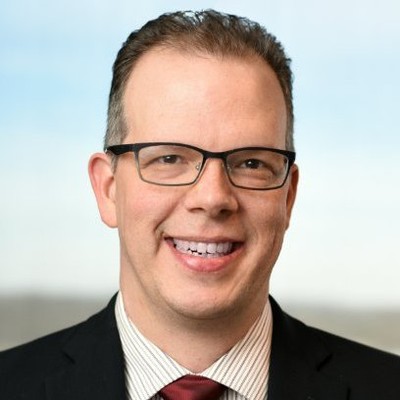
ARL Unbound is a new column by Association of Research Libraries (ARL) Executive Director Andrew K. Pace, in which he talks with ARL members at the forefront of leading issues in research libraries. This month, Pace sits down with Alexia Hudson-Ward, university librarian and dean of Georgetown University Library, an elected member of the American Antiquarian Society, and the incoming president of the Association of College and Research Libraries.
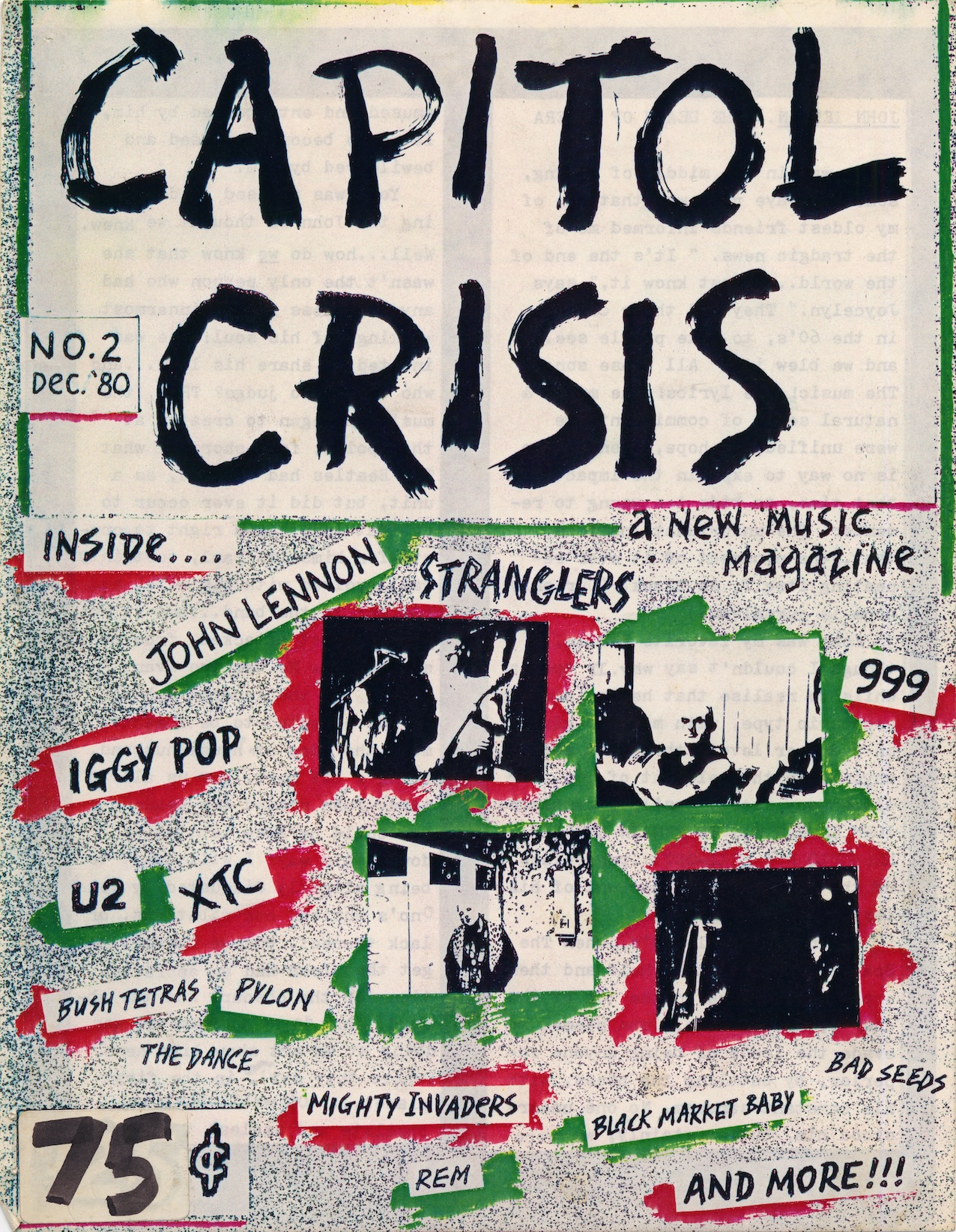
The mission at the D.C. punk and indie fanzine collection at the University of Maryland–College Park’s Michelle Smith Performing Arts Library is to collect, preserve, and share self-published materials about the punk and indie music scene in the Washington, DC area from the 1970s through the present day.
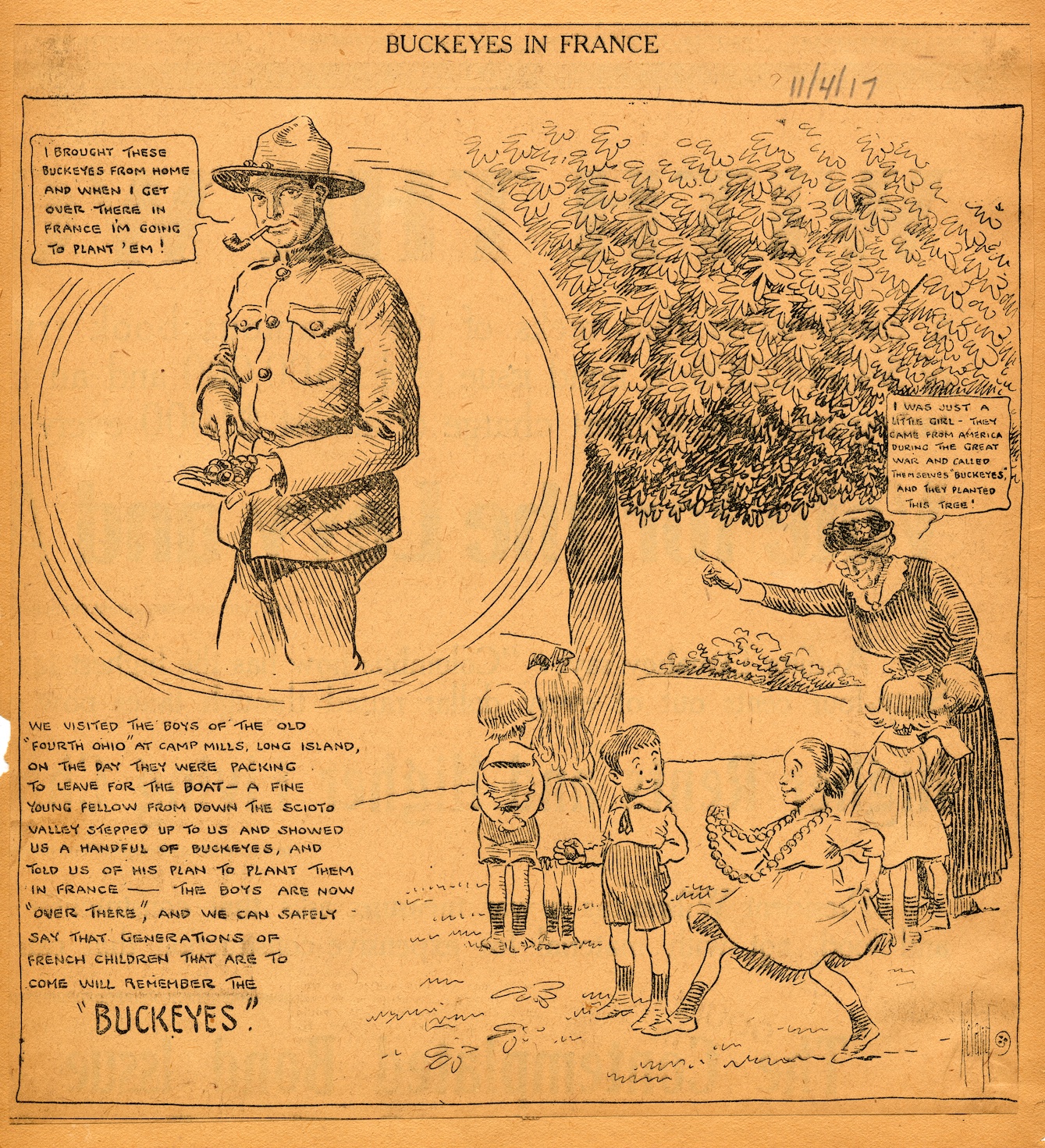
The mission of the Billy Ireland Cartoon Library & Museum at Ohio State University is to collect, preserve, and encourage the study of comics. It’s considered one of the largest collections of comics and cartoon materials in the world.
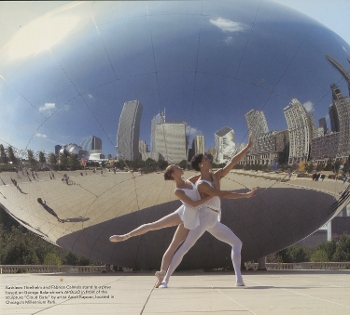
The Joffrey Ballet was many people’s first introduction to the world of ballet and dance. After the company was founded in New York City by Robert Joffrey (1930–88) and Gerald Arpino (1923–2008) in 1956, it grew and performed in big cities and small towns across the United States and the world. Its archives are now housed in the New York Public Library for the Performing Arts’ Jerome Robbins Dance Division, which mounted an exhibition, “The Joffrey + Ballet in the U.S.,” in 2024–25. The exhibition is currently open at Chicago’s Wrightwood 659, an exhibition space, from October 3 through December 20.
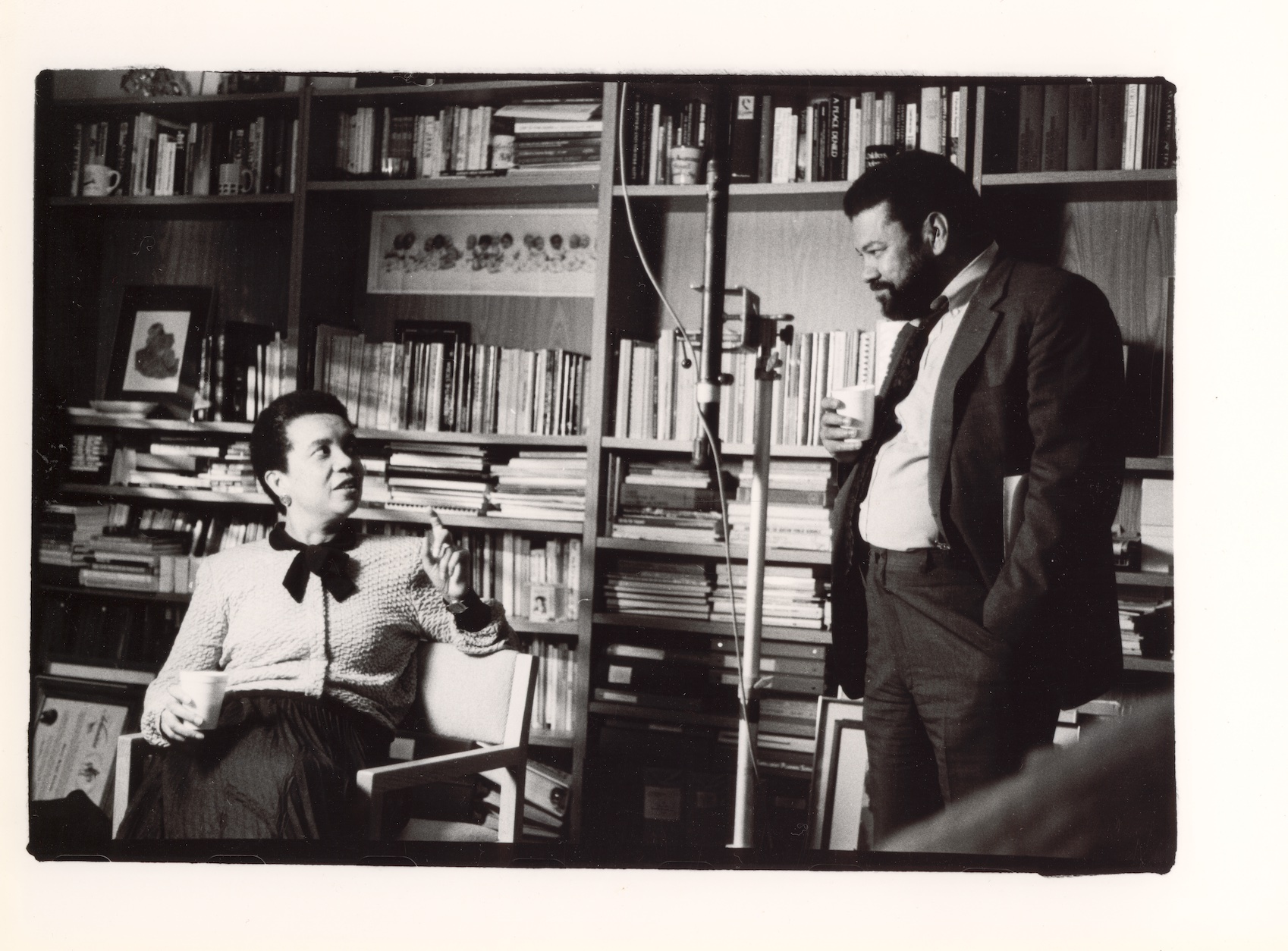
The mission of the Washington University in St. Louis Film & Media Archive is to preserve documentary film and media about the United States’ political and social movements, focusing on the Civil Rights movement and African American history.
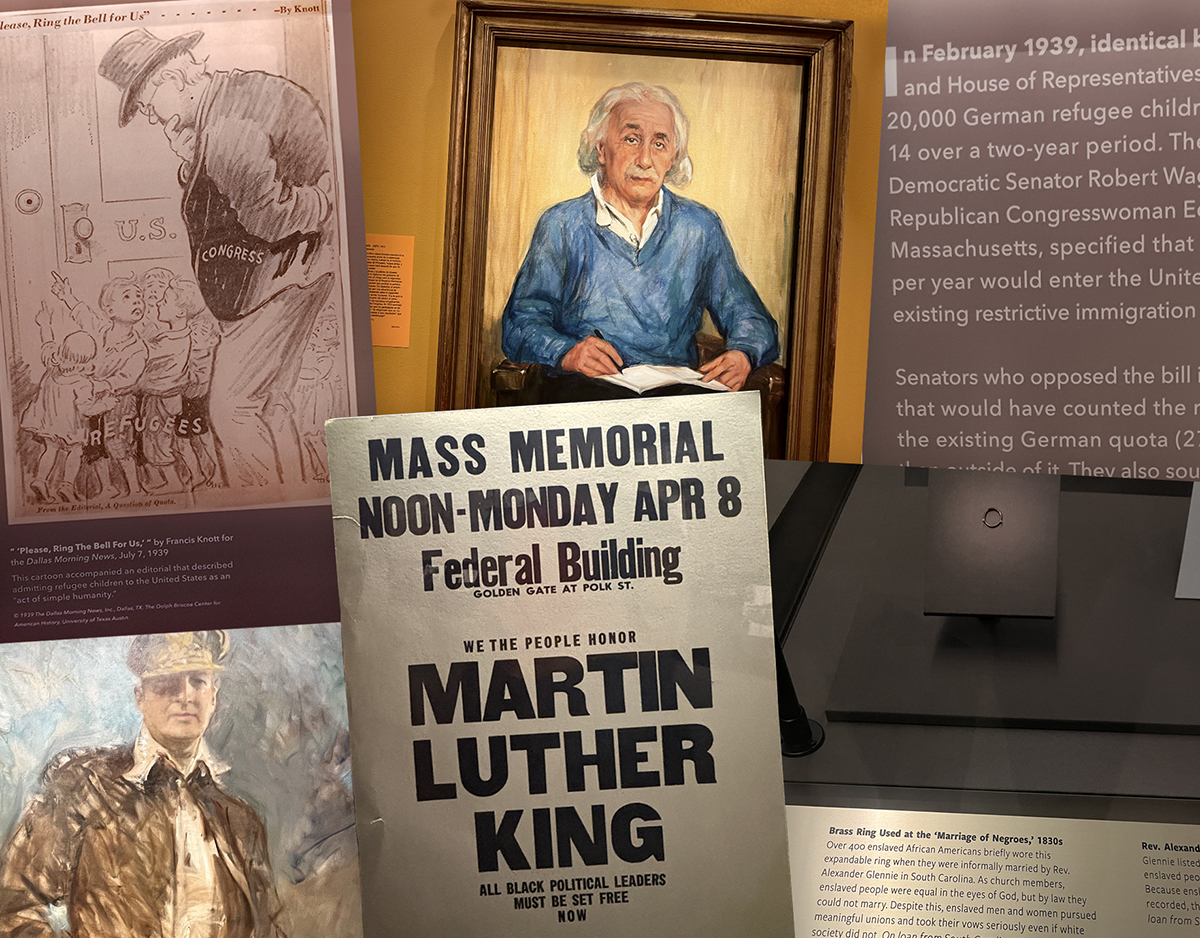
Citizen Historians for the Smithsonian is an all-volunteer effort to document everything on display at the Smithsonian’s 21 museums, the National Zoo, and the U.S. Holocaust Memorial Museum. Volunteers take photos and videos of exhibits in this crowdsourced archiving endeavor. Organizers call it “Crowd to Cloud” and plan to make the information accessible to the media and public.

Nearly all archival institutions, at every scale, hold a backlog of material awaiting processing. JSTOR’s recently created Digital Stewardship Services aims to address this situation with a next-gen service designed to help libraries and archives describe, preserve, manage, and share their collections using JSTOR’s AI-driven Seeklight tool (in conjunction with human expertise. Roger Schonfeld, who was recently named Managing Director of JSTOR Stewardship, spoke to LJ about bringing machine knowledge to a human-centered workflow.
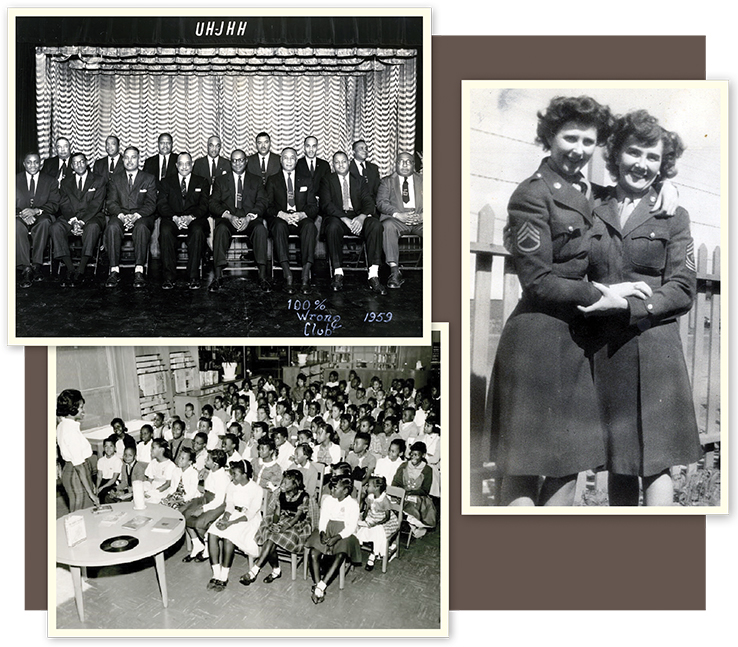
The practice of saving and safekeeping documents is nearly as old the written word. But lately archiving—choosing what to save, preserving it, and making it sustainably findable and accessible—has also become an act of responsive resistance in a world that may use erasure as a weapon.
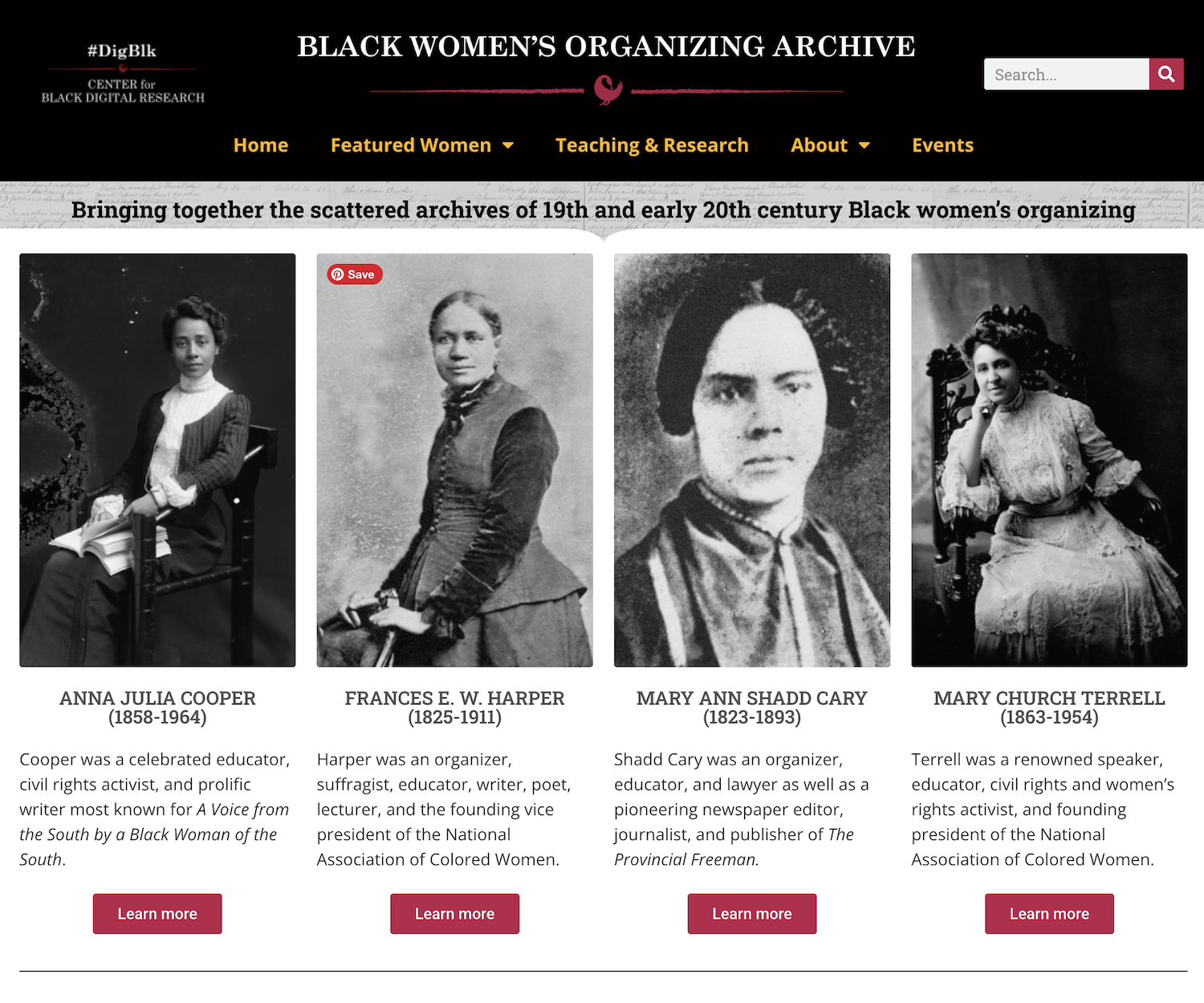
The mission of the Black Women’s Organizing Archive (BWOA) is to gather the papers and ephemera of 19th- and 20th-century Black female activists and intellectuals. The digital and community-centered archive includes the papers of four extraordinary women—Anna Julia Cooper, Mary Ann Shadd Cary, Mary Church Terrell, and Frances Ellen Watkins Harper—from archives and repositories across the United States and Canada.
ALREADY A SUBSCRIBER? LOG IN
We are currently offering this content for free. Sign up now to activate your personal profile, where you can save articles for future viewing
ALREADY A SUBSCRIBER? LOG IN
Thank you for visiting.
We’ve noticed you are using a private browser. To continue, please log in or create an account.