Kara Yorio
7 Articles

From:
To:
PLA 2026: Gathering in Strength
Despite concerns, librarians will assemble for the Public Library Association Conference in Minneapolis; LJ talks to the PLA presidential candidates.
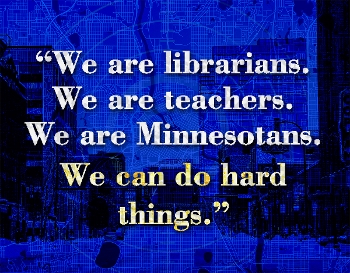
Minnesota School Librarians Supporting Students and Peers
As ICE raids continue in Minneapolis and St. Paul, MN (MSP), the school day is anything but normal. Parents are standing guard and acting as escorts for immigrants and all nonwhite students at drop-off and pickup, recess has often been moved inside while ICE agents stand just outside campuses, schools are facilitating online learning to accommodate children whose families are too scared to let them leave the house, and students are staging walkouts in protest.
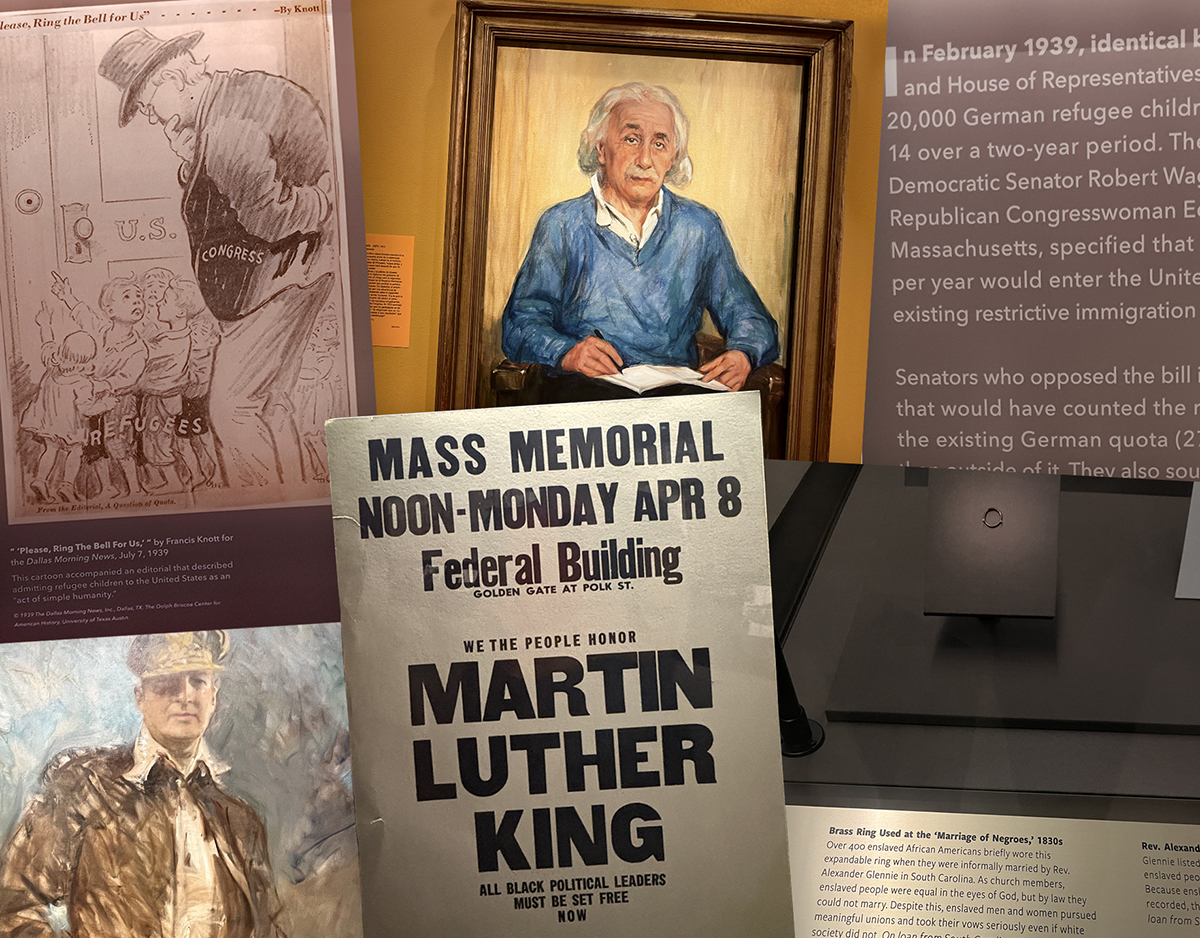
Citizen Historians for the Smithsonian Is Creating a Digital Archive of Exhibits
Citizen Historians for the Smithsonian is an all-volunteer effort to document everything on display at the Smithsonian’s 21 museums, the National Zoo, and the U.S. Holocaust Memorial Museum. Volunteers take photos and videos of exhibits in this crowdsourced archiving endeavor. Organizers call it “Crowd to Cloud” and plan to make the information accessible to the media and public.
Hot Days, Hotter Topics | ALA Annual 2025
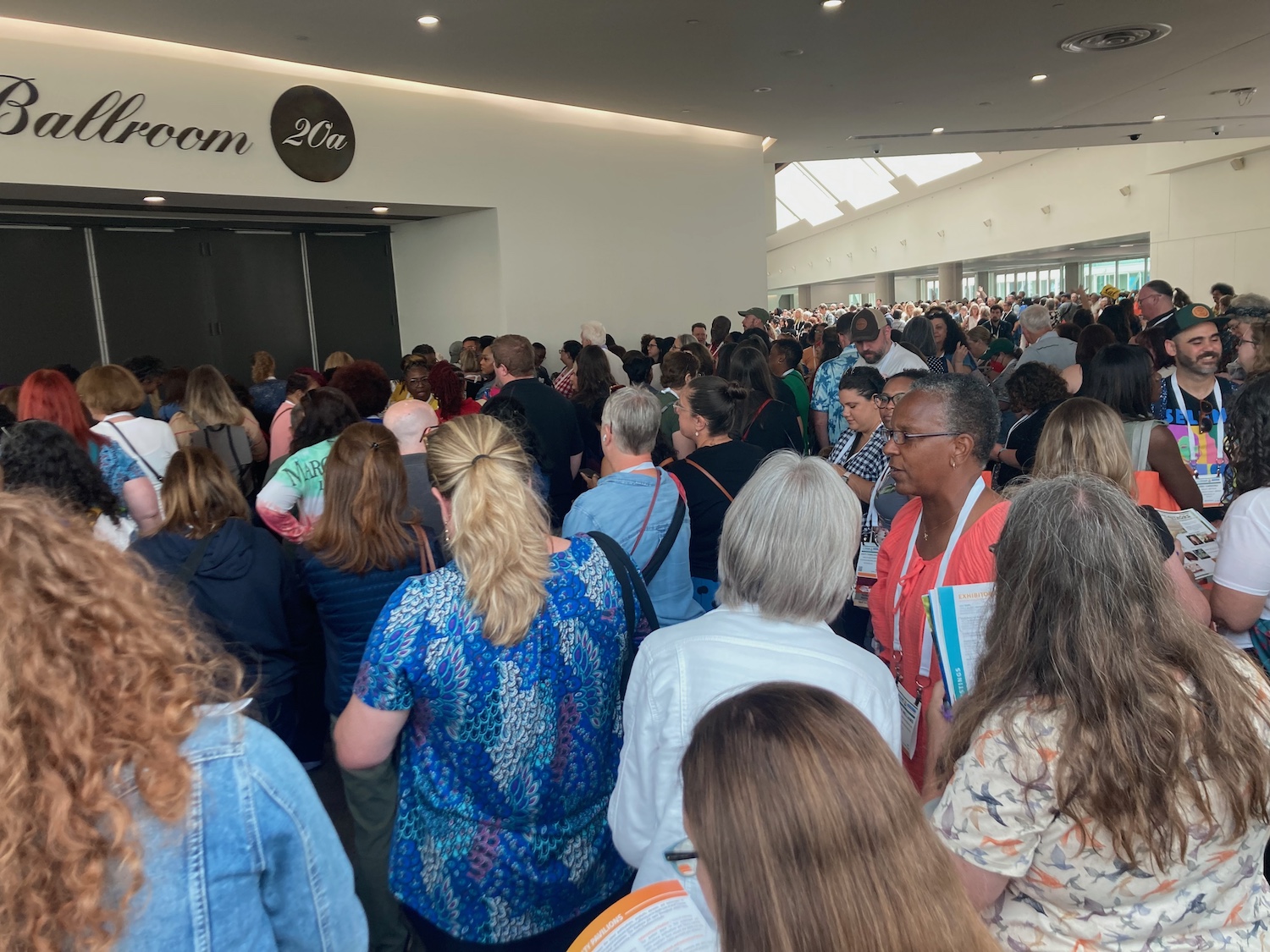
This year’s American Library Association (ALA) Annual Conference, held from June 26–30 in Philadelphia, drew 14,250 participants: librarians and library staff, authors, publishers, educators, and exhibitors, including 165 international members. While still not up to pre-pandemic attendance levels, the conference was—by all accounts—buzzing and busy, with well-attended sessions and a bustling exhibit floor.
Warm Breezes, Hot Topics | ALA Annual 2024
The American Library Association (ALA) Annual Conference, held June 27–July 2 in San Diego, CA, was big and busy, with more than 8,400 attendees and 5,000 exhibitors, authors, illustrators, members of the press, and staff. And while those numbers didn’t top last year’s Annual in Chicago, which saw more than 15,000 guests, it felt busier—possibly because of the slightly smaller venue, and definitely because of the sense of engagement and enthusiasm throughout. The great weather may have kicked the mood up a few notches as well.

ALA Rolls Back Inclusion of Hate Groups in Bill of Rights Revision
An online ALA Council poll, held August 9–16, voted 140–4 to rescind a controversial meeting room interpretation. The Library Bill of Rights will revert to the 1991 version that had previously been in effect.
Forbes Article Sparks Impassioned Defense of Libraries
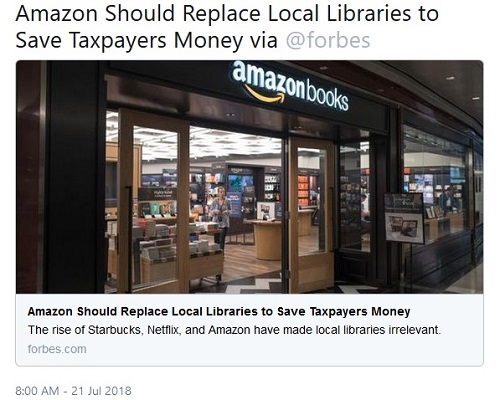
An article that appeared in Forbes magazine online on July 21, calling for all public libraries to be replaced by Amazon bookstores, has the library community—and the communities they serve—up in arms. The op-ed piece, “Amazon Should Replace Local Libraries to Save Taxpayers Money,” by Panos Mourdoukoutas, chair of the economics department at Long Island University’s Post campus, drew righteously indignant and thoughtful responses.
ALREADY A SUBSCRIBER? LOG IN
We are currently offering this content for free. Sign up now to activate your personal profile, where you can save articles for future viewing
ALREADY A SUBSCRIBER? LOG IN
Thank you for visiting.
We’ve noticed you are using a private browser. To continue, please log in or create an account.