

2018 School Spending Survey Report
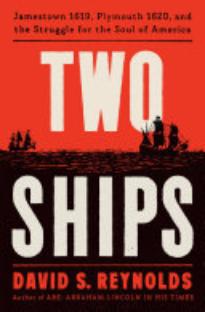
Two Ships: Jamestown 1619, Plymouth 1620, and the Struggle for the Soul of America
COPY ISBN
 The two ships are the White Lion (an enslavement ship) that arrived in Jamestown, Virginia, in 1619, and the Mayflower, which came to Plymouth, Massachusetts, in 1620, bringing its Pilgrim settlers. Historian Reynolds (Graduate Ctr., City Univ. of New York; Abe: Abraham Lincoln in His Times) has written an intriguing and in-depth look at the ships, their passengers, and the respective ways of life and attitudes in Jamestown and Plymouth. The two groups and locations represented different ideologies: Jamestown, a royal colony that later backed Charles I during the English Civil Wars, and the Puritans, who opposed Charles I. The Northern side saw the Pilgrims as “trailblazing freedom fighters and prophets of antislavery reform,” and the South viewed the Northern culture as “fanatical and self-righteous.” Frederick Douglass praised the Mayflower Compact (1620) as the primary source of human rights in the United States. Reynolds describes the changes and developments in attitudes toward the North’s and South’s respective ways of thinking, toward reconciliation, reform, and equal rights. In the 1960s, there were landmark victories in the Civil Rights Movement: Brown v. Board of Education, the Civil Rights Act of 1964, and the Voting Rights Act of 1965.
VERDICT A highly recommended must-read, with great insights into American history and ideology.

Added To Cart
RELATED
ALREADY A SUBSCRIBER? LOG IN
We are currently offering this content for free. Sign up now to activate your personal profile, where you can save articles for future viewing
ALREADY A SUBSCRIBER? LOG IN
Thank you for visiting.
We’ve noticed you are using a private browser. To continue, please log in or create an account.

Comment Policy:
Comment should not be empty !!!