

2018 School Spending Survey Report
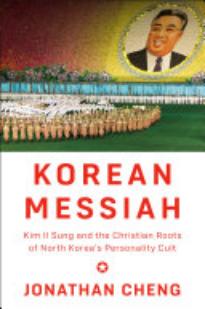
Korean Messiah: Kim Il Sung and the Christian Roots of North Korea’s Personality Cult
COPY ISBN
 Wall Street Journal China bureau chief Cheng traces the history of Christianity in North Korea and explores its influence on the late president Kim Il-sung (1912–94). From the late 19th century, American Methodist and Presbyterian missionaries—notably Samuel Moffett, who arrived in Pyongyang in 1890—established a strong Christian presence in Korea, and the faith became widespread; Kim’s parents were both devout Christians, and he was raised in the church. After Japan annexed Korea in 1910, Kim’s family fled to Manchuria to escape persecution, and Kim later became involved in communist movements in China and the Soviet Union. Returning to North Korea in 1945, he quickly recognized the need to either coopt or suppress Christian groups in order to consolidate power in his Soviet-backed regime. Cheng argues convincingly that, while crafting his cult of personality, Kim nevertheless drew on the Christian lessons, rituals, and models of devotion that he learned at church from childhood.
VERDICT This thorough and fascinating work is essential for anyone interested in the history of North Korea. For another look at Kim Il-sung’s rise to power, consider Fyodor Tertitskiy’s Accidental Tyrant.

Added To Cart
RELATED
ALREADY A SUBSCRIBER? LOG IN
We are currently offering this content for free. Sign up now to activate your personal profile, where you can save articles for future viewing
ALREADY A SUBSCRIBER? LOG IN
Thank you for visiting.
We’ve noticed you are using a private browser. To continue, please log in or create an account.

Comment Policy:
Comment should not be empty !!!