Related

For nearly a decade, the Normal Public Library and Town of Normal, Illinois, wrestled with a complex civic challenge: replacing a deeply valued community library when a brand-new building was financially out of reach. The solution, ultimately, was not to leave, but to look more closely at what already existed.

LJ’s 2025 Year in Architecture projects center unique community needs while welcoming all, a balancing act of creativity and practicality.

By offering spaces that flex for large groups and small moments of quiet, extending their reach outdoors, and responding to individual needs with thoughtful design, libraries are evolving in step with the communities they serve.

Underpinning all these projects is an acknowledgment that children thrive when they are given the opportunity to explore and create and learn on their own terms, in environments that do not tightly control the types of activities they are allowed to do.

Libraries’ uniquely responsive programs are increasingly visible through facilities designed as highly transparent civic beacons embodying shared values of learning, connection, and inclusion.

Community co-design elevates engagement beyond dot exercises, surveys, and open houses by treating residents as active partners in shaping their civic spaces.

These buildings present a refreshing attitude toward their surroundings that integrates the outdoors and natural motifs with the more controlled and contained interiors of each library.

Sustainability takes on a range of contexts in this year’s libraries, from resilience in the wake of natural disasters to thoughtful incorporation of legacy elements that speaks to both economy and a sense of history.


As the projects featured this year demonstrate, while libraries still welcome all community members, their design has become more purpose-driven, with careful thought given to whom they serve, where, and in what ways— and how best to ensure that their spaces will function for another hundred years.

The data for new academic library buildings and renovations featured in LJ's Year in Architecture 2025.

The data for new public library buildings and renovations featured in LJ's Year in Architecture 2025.

Libraries have long been cornerstones of community life, evolving alongside technology, community needs, and culture. Few people understand this evolution better than Pat Losinski, the former director of public libraries in Illinois, Ohio and Colorado, who has led transformative initiatives in library design and services.

Library Journal is seeking submissions for its annual Year in Architecture issue (November 2025). The issue will feature public and academic library projects completed between July 1, 2024 and June 30, 2025. Let us know about your remodeling projects and new buildings by filling out this online form. The deadline has been extended to Friday, August 8, for projects to be considered for the issue.

Modern libraries aren’t just places for reading and research. They’re vibrant and active community centers where the people and programming play just as critical a role as the collections.

Navigating a library can be overwhelming, especially in large or multi-level buildings where finding a specific item, space, or amenity can feel like a treasure hunt. StackMap, a leader in library wayfinding and digital navigation solutions, is here to change that.

LJ’s 2024 Year in Architecture trends see libraries simultaneously designing for pragmatic concerns, such as safety and site constraints, and an equally important quotient of delight—achieving harmony in the process!
Color, color everywhere! To create welcoming, dynamic spaces, libraries have integrated vivid colors into their designs to connect, invite, comfort, and even surprise.
This year’s crop of libraries demonstrates a continued commitment to the well-being of library workers and patrons through biophilic design, a tried-and-true construct to connect people with nature in hopes of improving human health.
The successful renovation of a historic structure for contemporary use is a vivid example of how libraries respond to rapidly evolving community conditions. This year, a variety of approaches create modern facilities that honor history.
Designing for delight and flexibility is demonstrated in many of this year’s submissions, fostering gathering, play, and communal experiences.
As libraries expand into community hubs serving multiple purposes, they have introduced playfulness into their designs to encourage exploration, discovery, and above all, wonder.
Libraries continue to emerge from the pandemic, with spaces designed to promote social interaction along with quiet study—places that work for everyone.
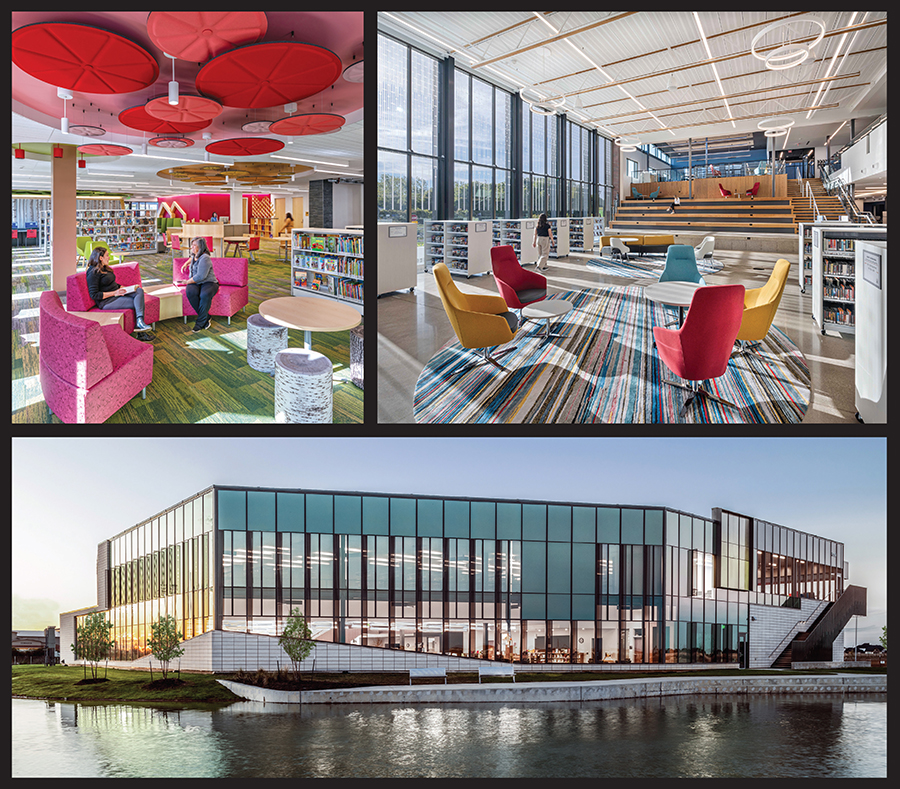
LJ’s 2024 Year in Architecture trends see libraries simultaneously designing for pragmatic concerns, such as safety and site constraints, and an equally important quotient of delight—achieving harmony in the process!
The data for new academic library buildings and renovations featured in LJ's Year in Architecture 2024.
The data for new public library buildings and renovations featured in LJ's Year in Architecture 2024.

In today's evolving world of public spaces, design is capable of catalyzing deeper connections between communities and users who don’t often cross paths or journeys. The blending of architecture and social function plays a pivotal role in fostering environments where diverse communities can gather, interact, and engage in meaningful ways.

How old is your library? In 2021, the American Library Association reported that the average library building is over 40 years old and that the nation’s 17,000 public libraries would need approximately $32 billion dollars for construction and renovation over the next 25 years.

Spokane Public Library, WA, served as both host for Library Journal’s May 9 Design Institute and—using its creative and community-responsive systemwide redesigns and new construction as a jumping-off point—the inspiration for many of the day’s discussions. Fortunately, the conversation didn’t end there. LJ circled round with participants to find out what knowledge they brought back from Design Institute and what trends they think libraries looking to build, renovate, or retrofit their spaces should be keeping an eye on.
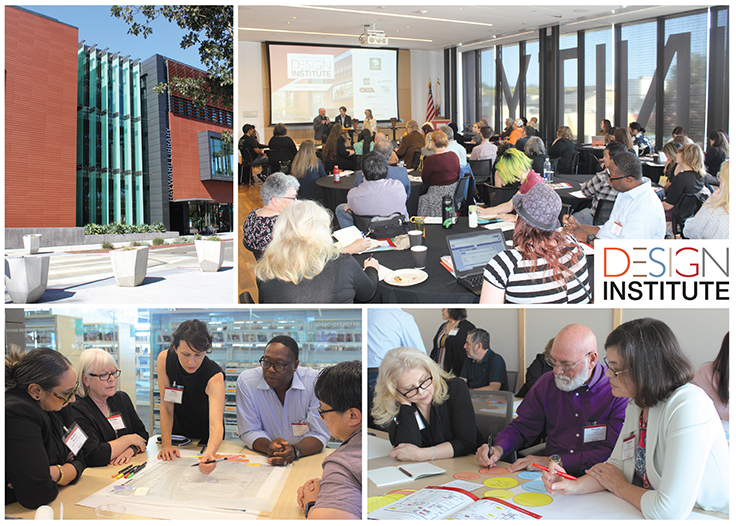
Design Institute Hayward looked at ways to design for inclusion, safety, sustainability, and extending a warm invitation to all.

At LJ’s 2023 Design Institute in Hayward, CA, held at the Hayward Public Library on September 28, five libraries in California and New Mexico enlisted architects and attendees to brainstorm on upcoming library design challenges.
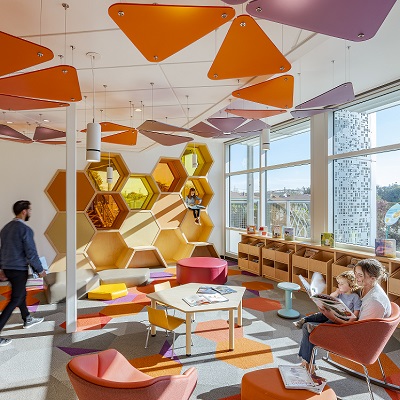
While the COVID-19 pandemic has understandably been a key concern over the past few years, architects and librarians haven’t neglected other important factors in the continuing evolution of libraries in their communities.
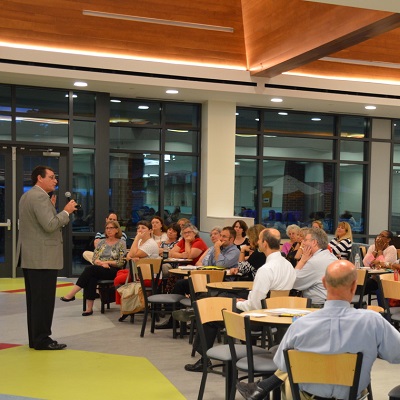
Diversity, equity, and inclusion. These three words are commonplace today and serve as important reminders that opportunities should be made available to everyone. Public libraries share similar goals; their facilities, learning materials, services, and programs are open and available to all.
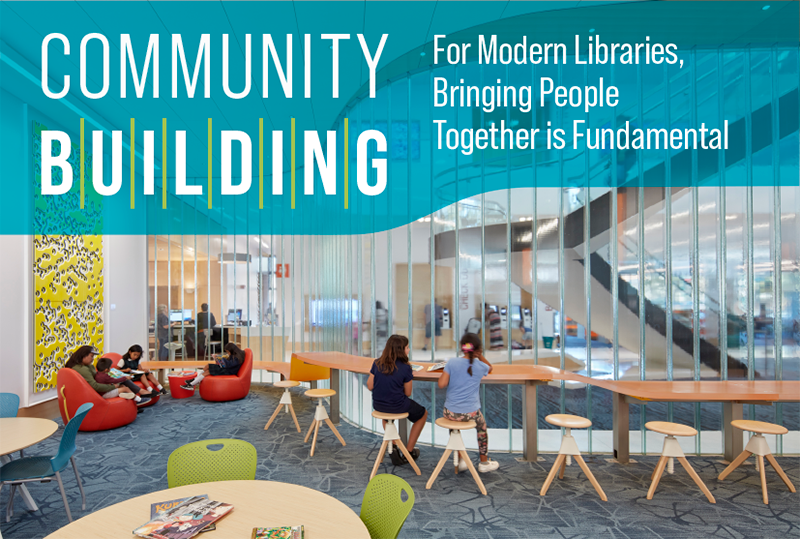
Libraries have always been much more than just repositories for books and other materials. They’ve also been centers for community learning and brought people together to improve their lives. This goal has become even more important in the digital era.

A palpable sense of celebration and cultural sensitivity is evident through color, choice of fabric, and the architectural program. These renovations and builds are anything but utilitarian, incorporating thoughtful details like imagery, materiality, and type into their spaces.

Trends in meeting and reading rooms suggest attention to shifts in remote and hybrid work environments. Built-in shelves, long wooden tables with integrated lighting, and classic wooden chairs make a comeback with contemporary twists.
Gone are the rows upon rows of tall, fixed shelving in large, open areas. Custom-designed, small-scale shelving offers variety, sightlines, flexibility, and enhanced wayfinding, refining and evolving the concept of flexible, modular zones.

A vibrancy of colors can be seen among the new builds and renovations. Pastels merge with saturated primary colors; lush organic hues and shapes fill reading nooks; and bold colors mark service areas and desks, key spaces to congregate, or alcoves to retreat into.
As many have grown accustomed to spending more time at home, libraries continue to incorporate accessible, small-massed, and residential design elements. Buildings include vaulted roofs and window bump-outs; interiors feature plush carpeting, integrated display shelving in meeting rooms or small reading areas, and cozy fireplaces.
Projects continue to integrate exterior spaces, offering patrons not only outdoor seating but also creative use of the grounds, plus an integration of experience built into the wayfinding, aesthetic, and interior layout within open areas.
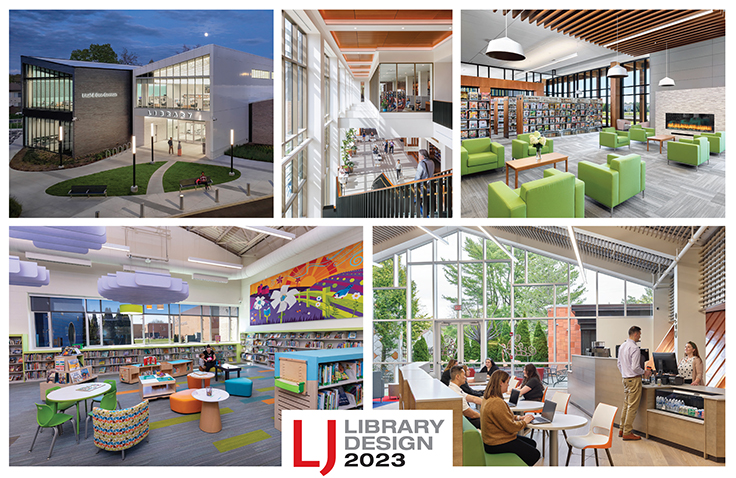
Colors that pop, sophisticated meeting spaces, residential design elements, and more in this year’s top library design trends.
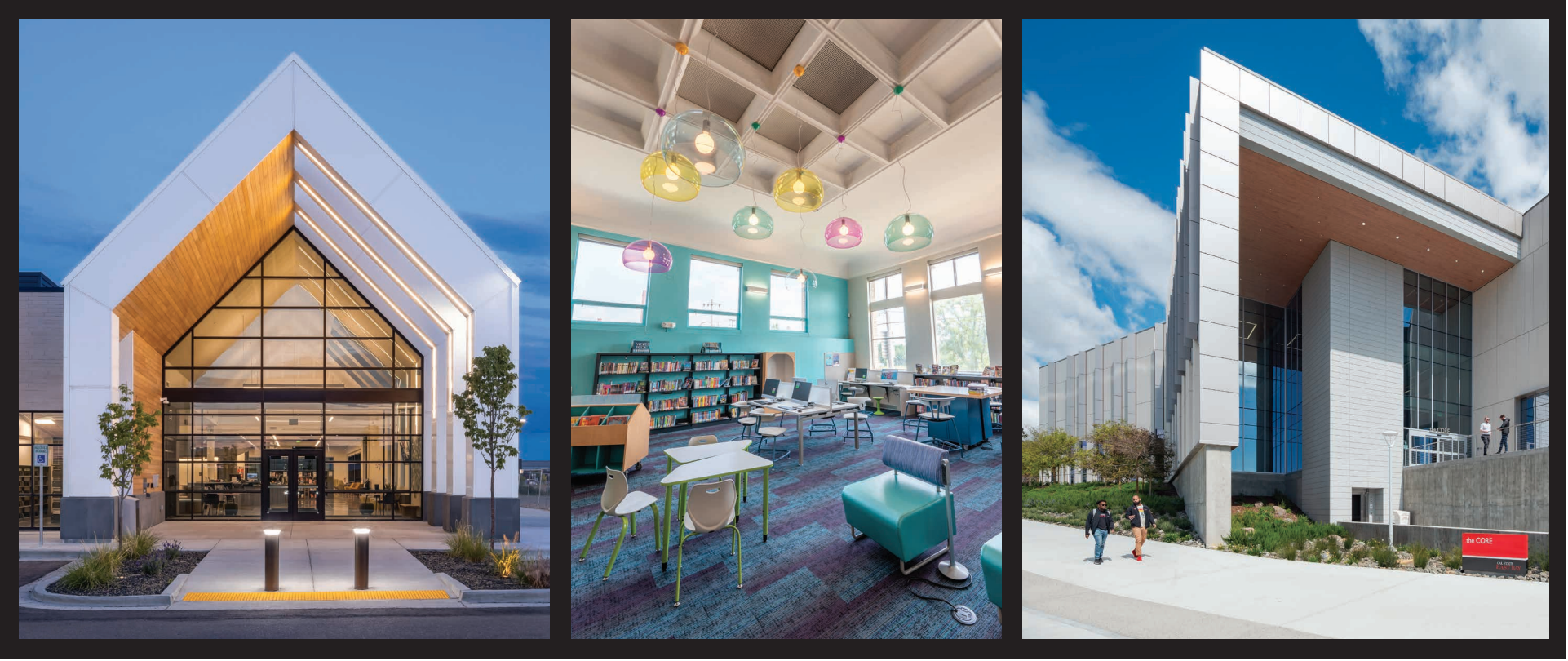
Furniture echoes architectural elements; places of refuge get playful, and more of the year’s top library design trends. It’s all about flow. Rooms within rooms, nooks, delightful retreats for all ages are designed to seamlessly transition spaces from one function to another in this year’s round up of library renovations and new buildings. While we still see the subdued natural color palettes of last year’s trendsetters, color continues to play a meaningful role in these libraries.
The data for new academic library buildings and renovations featured in LJ's Year in Architecture 2023.
The data for new public library buildings and renovations featured in LJ's Year in Architecture 2023.
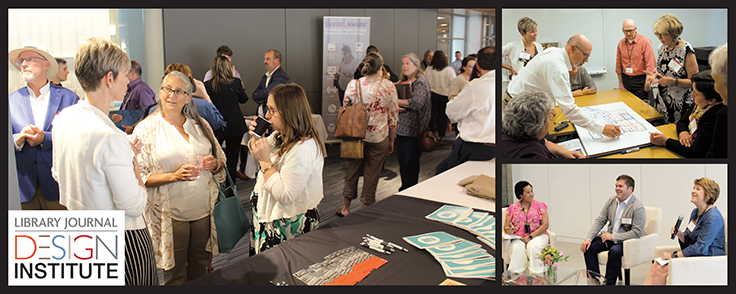
Design Institute Durham, held at the Durham County Library, NC, highlighted the need for ongoing communication among designers, architects, and libraries during all phases of a project.
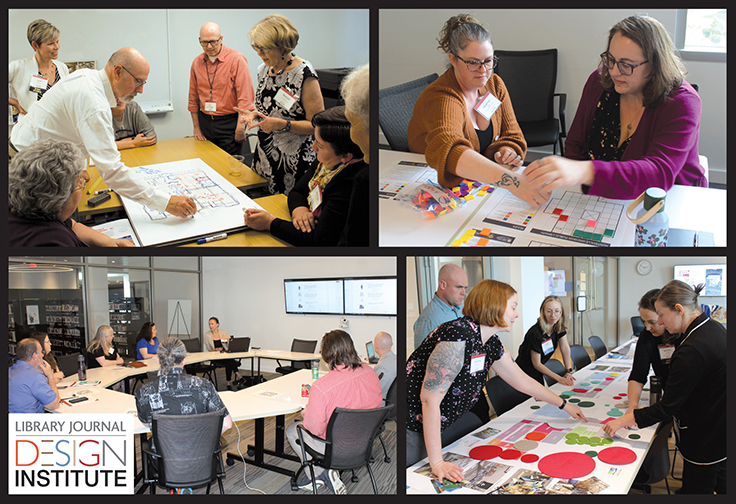
At LJ’s 2023 Design Institute in Durham, NC, held at the Durham County Library on June 1, four libraries in Michigan, Alabama, and North Carolina enlisted architects and attendees to brainstorm on upcoming library design challenges.
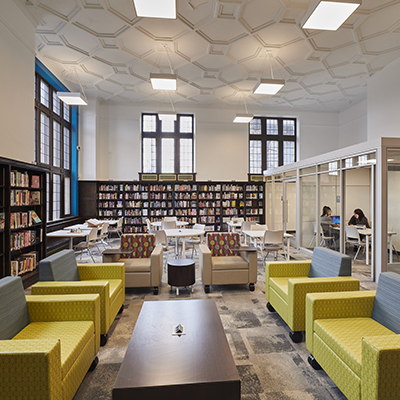
As library designers, we must meet that challenge by understanding and providing for the needs of the communities the library serves. Main Libraries are often large and centrally located as the hub of the system. Usually located in the population center, often in a major city or town.
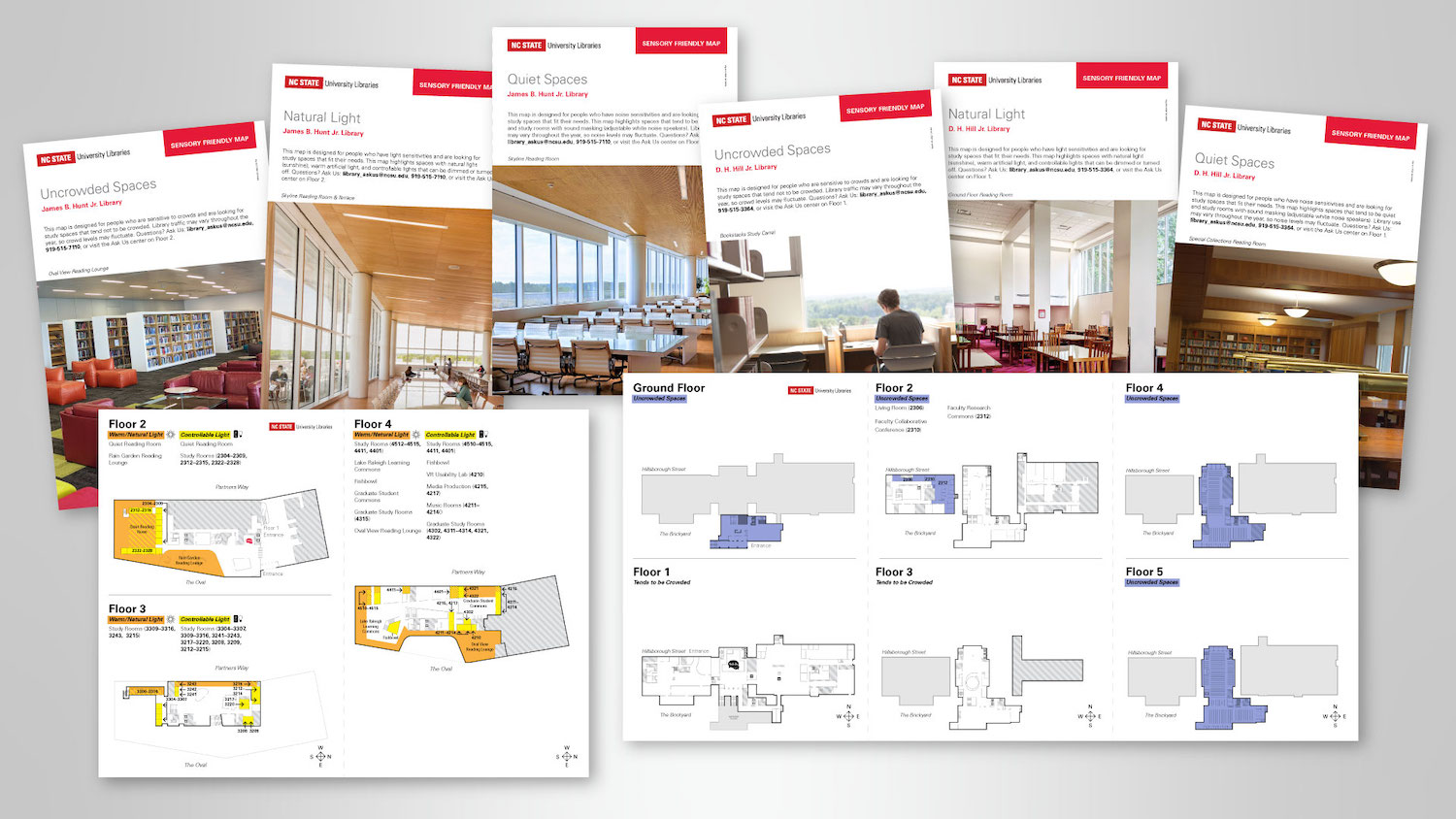
The need for increased accessibility is an ever-growing priority, as is understanding the scope and nuance of the concept. At North Carolina State University (NC State) Libraries, Raleigh, staff from a range of functional areas are working together to address and increase accessibility in their physical spaces, collections, and offerings. In May 2021 they formed an Accessibility Committee to coordinate and implement practices and changes throughout the system.
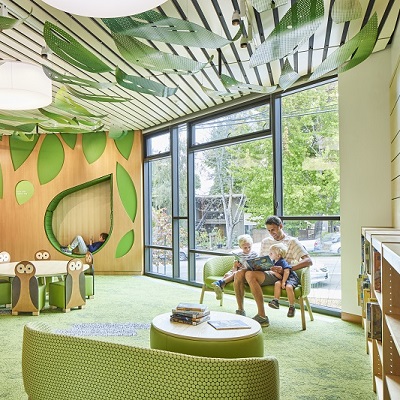
Libraries are some of the most beloved buildings in our communities, ‘third places’ where ideas are exchanged and relationships built. At their best, libraries proudly reflect the people and places they serve, encouraging a sense of belonging and equality.
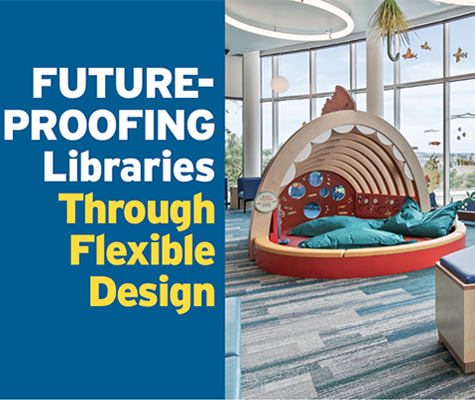
“Today’s library is so many things,” says Jennifer Charzewski, principal at the Charleston-based architecture firm Liollio. “It’s library as gathering place, as museum, as park, as school, as community center.” So, library designers are prioritizing flexibility for unforeseen future functions as they embark on both new builds and renovations.
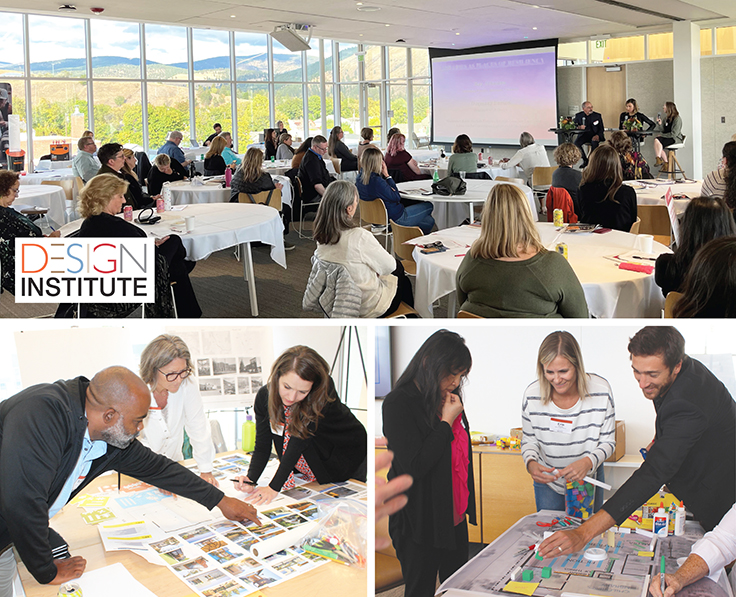
LJ’s Design Institute in Missoula, MT, tackled new needs, tools, and techniques for library design in inspiring surroundings.

At LJ’s 2022 Design Institute in Missoula, MT held at the Missoula Public Library on September 29, five libraries in Idaho, Montana, Minnesota, Oregon, and California enlisted architects and attendees to brainstorm on upcoming library design challenges.
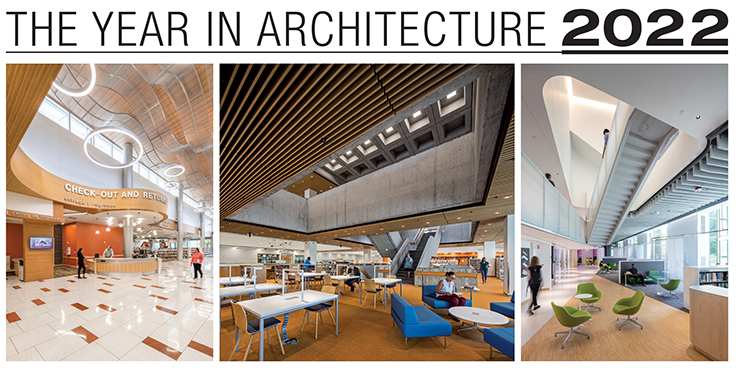
Furniture echoes architectural elements; places of refuge get playful, and more of the year’s top library design trends.
Across many library spaces and settings, furnishings, finishes, and fixtures are tightly coordinated, both in shape and in style, to create a cohesive, seamless experience between more public and more private areas in the library.
Shelving design continues to evolve to support the visual narrative and personality of library spaces, from whimsical interactive shelves with cubby holes and twists and turns to shelves that offer integrated seating, display, and collections.
While peaceful nooks for concentrating, enjoying the scenery, or getting work done are now standards for library design, these libraries feature unique and inspiring spaces within spaces that create a whole new experience within the library for their communities.
This year’s libraries emphasize entrances by visually drawing community members into and through their doors with light, color, height, and plenty of glass or openings throughout their buildings so people can find where they want to go.
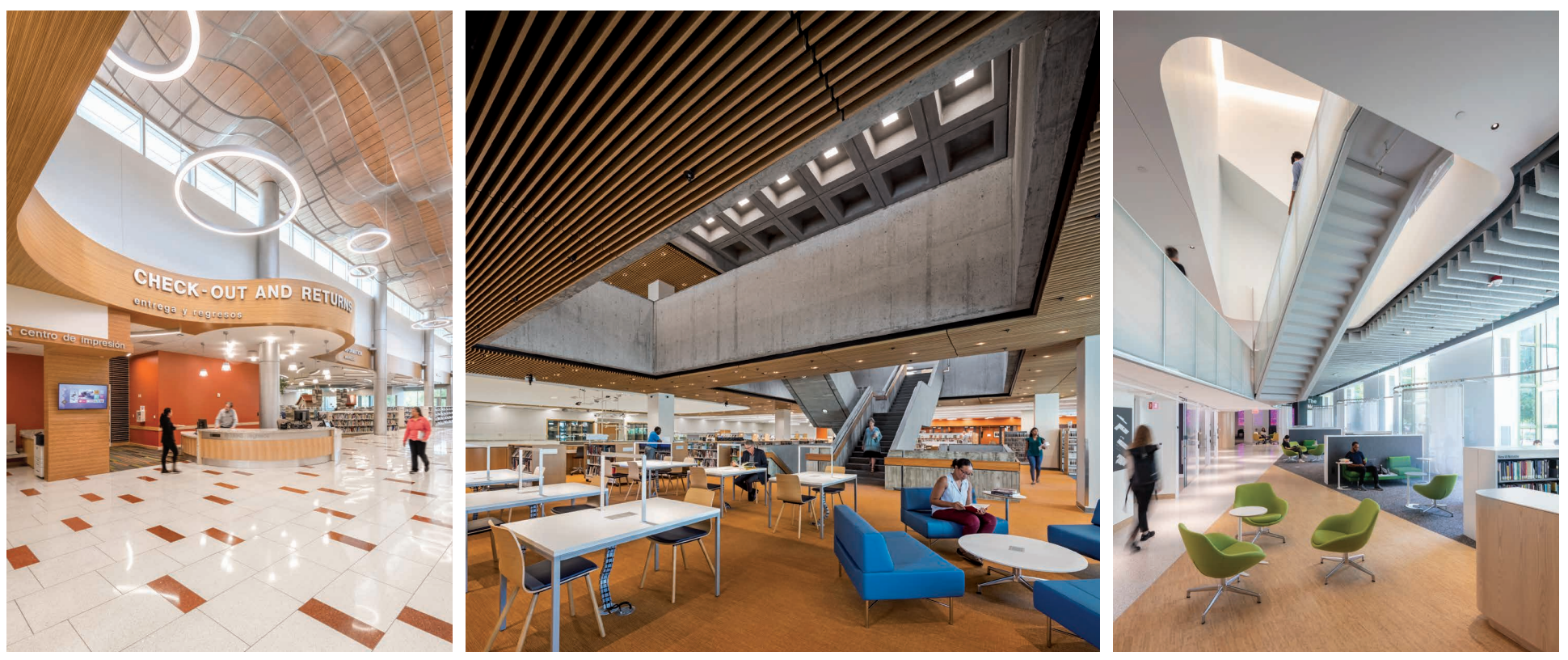
Furniture echoes architectural elements; places of refuge get playful, and more of the year’s top library design trends. It’s all about flow. Rooms within rooms, nooks, delightful retreats for all ages are designed to seamlessly transition spaces from one function to another in this year’s round up of library renovations and new buildings. While we still see the subdued natural color palettes of last year’s trendsetters, color continues to play a meaningful role in these libraries.
The data for new academic library buildings and renovations featured in LJ's Year in Architecture 2022.
The data for new public library buildings and renovations featured in LJ's Year in Architecture 2022.

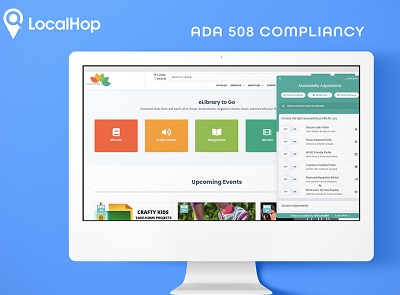
We enable libraries to focus on their patrons and the services they enjoy, which is why we love providing a full suite of software solutions that are modernized, 508 compliant, aesthetically pleasing, and exceed security protocol.
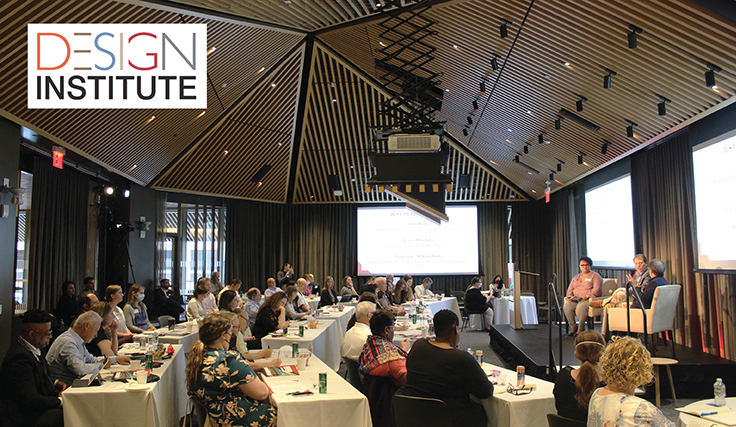
After a two-year COVID hiatus on in-person events, LJ’s Design Institute returned to in-person convenings at New York Public Library’s reimagined flagship circulating library.
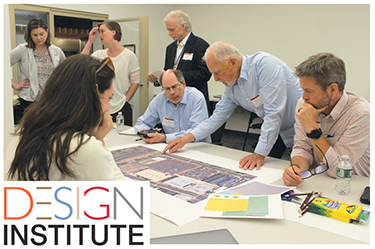
At LJ’s 2022 Design Institute in New York City, held at the New York Public Library's Stavros Niarchos Foundation Library on June 9, five libraries in Pennsylvania, Oklahoma, Illinois, Connecticut, and New Jersey enlisted architects and attendees to brainstorm on upcoming library design challenges.
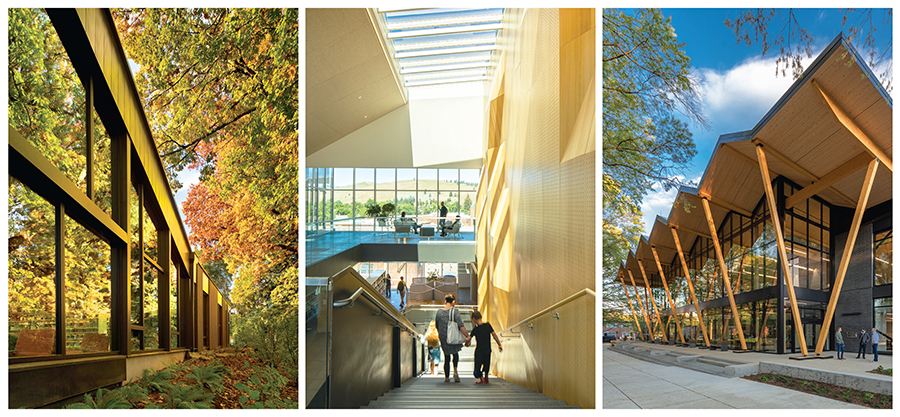
From open outdoor areas to fantastic and functional fixtures, sustainable systems to study spaces, LJ's 2021 Year in Architecture roundup celebrates the best new construction and renovation in public and academic libraries across the country.

The data for new public library buildings and renovations featured in LJ's Year in Architecture 2021.
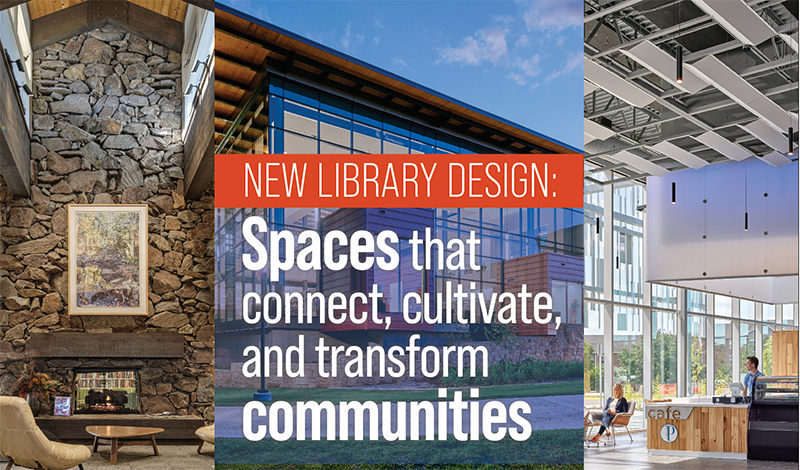
Collections are still important. But as libraries acquire more digital materials, they’re devoting less space to housing physical items. Instead, they’re creating flexible, multiuse spaces for people to gather, interact, and learn new skills. The modern library is a coffee house, a digital creation studio, a multigenerational meeting place, and much more.
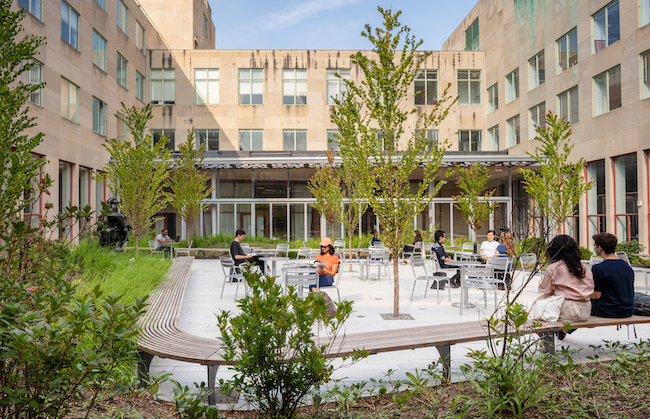
A re-envisioned Hayden Library and courtyard at MIT, fresh film archives at Yale, Brooklyn PL unveils its first new branch in 40 years, Columbus Metropolitan Library cuts the ribbon on its HIlltop Branch, and more library construction news.
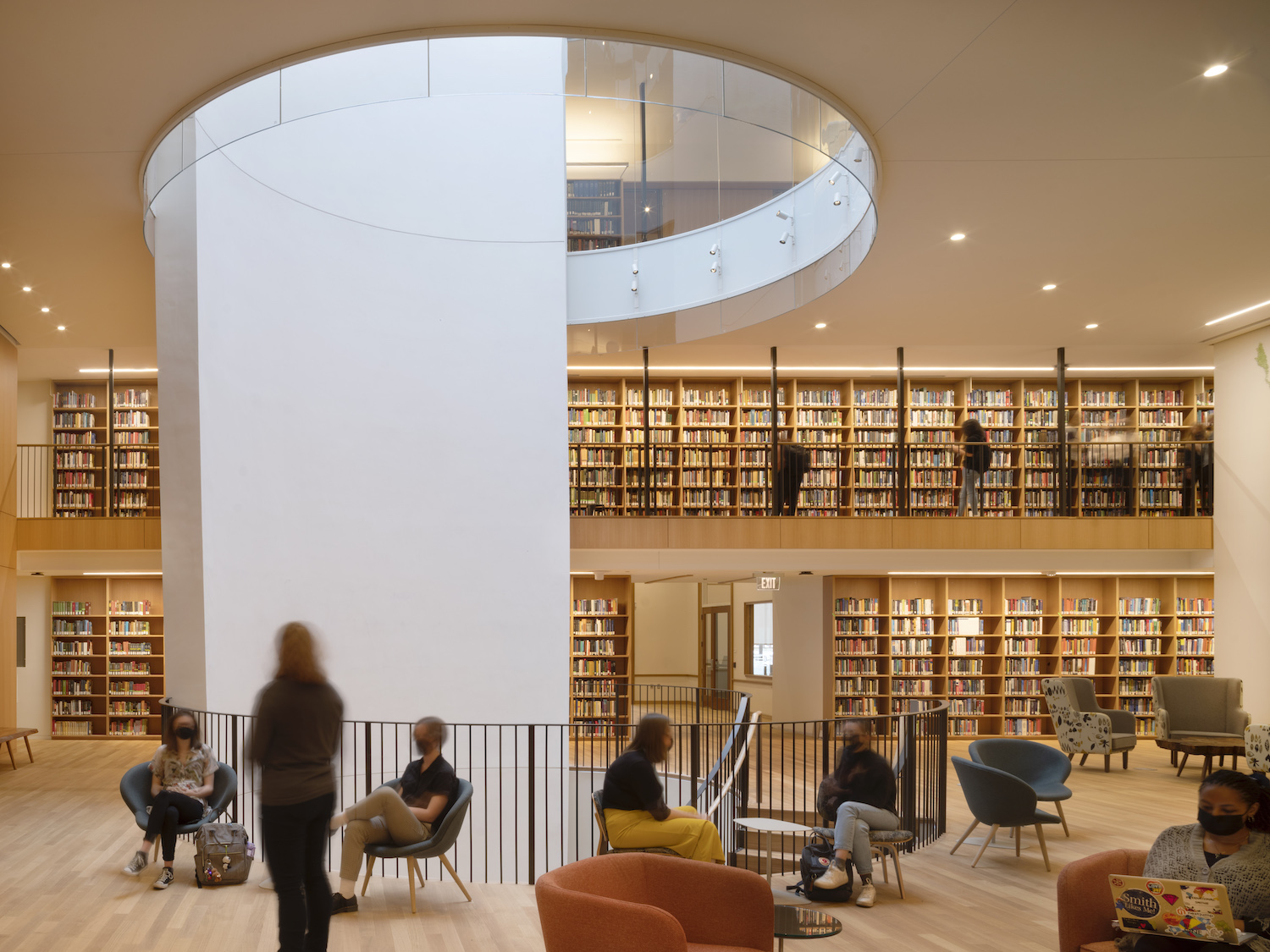
Smith College and Kansas State reopen libraries after extensive renovations and Brooklyn, East Asheville, and the Carnegie Library of Pittsburg unveil substantial remodels.
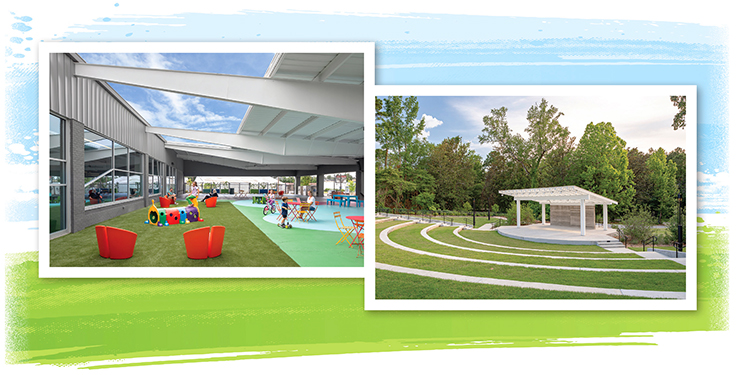
Even before the pandemic, outdoor spaces on library grounds were trending. Now, although the vaccine rollout is well underway, it will likely be fall at the earliest before most libraries resume indoor programming. What was a nice-to-have luxury has become the only game in town.
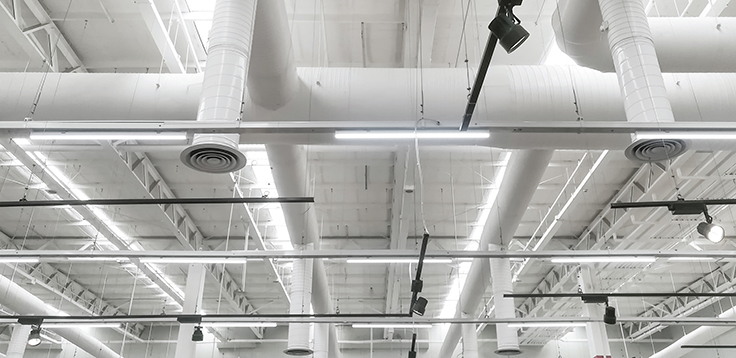
HVAC systems may be an important tool for reducing COVID risk in library buildings; the details make all the difference.
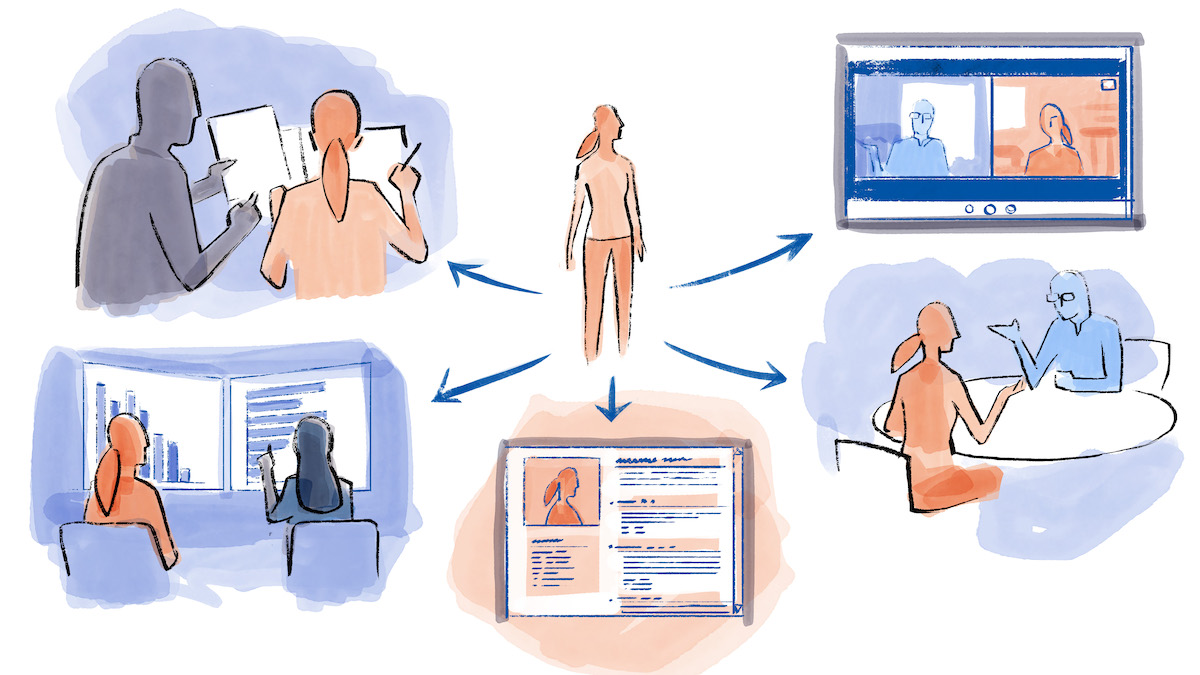
How will COVID-19 change how libraries offer their collections and services in the long term? How will it change the nature of our work? This article provides a vision of the future in which libraries become true connectors of people and catalysts for discovery.
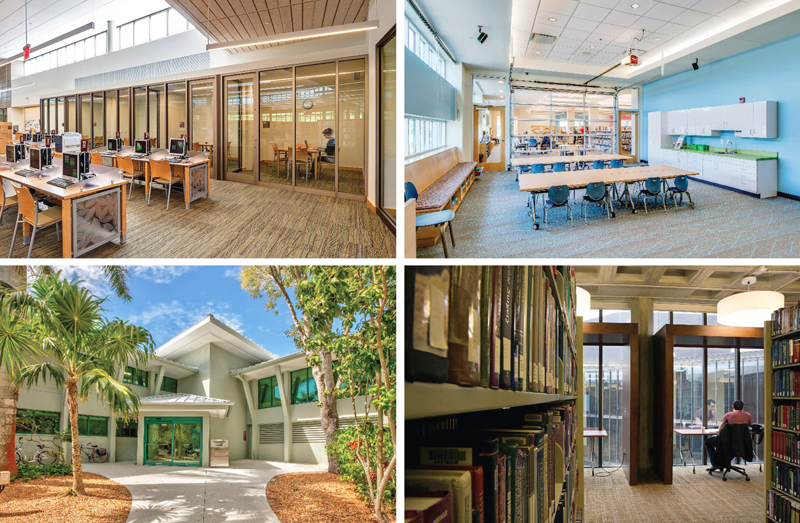
In today's day and age of the COVID pandemic, job loss, increased violence, and weather-related incidences, the Community Library has become more important than ever. People flock to libraries as a lifeline in times of need.
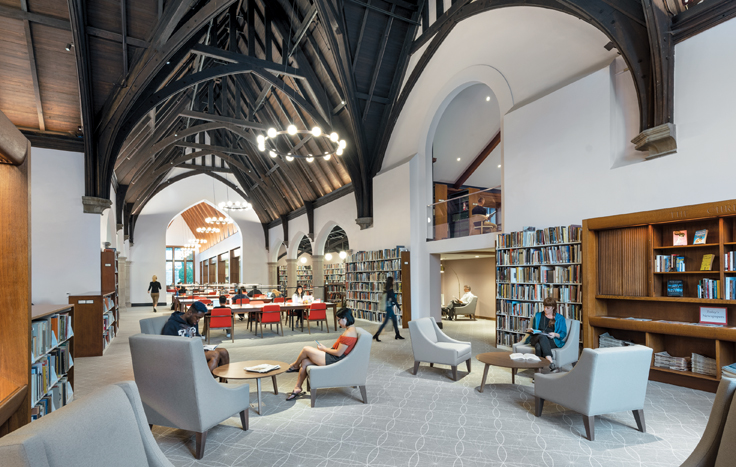
Spaces for distinct activities in pavilions, wings, or adjacent areas are smartly configured for cross-pollination without disruption in new and renovated libraries.
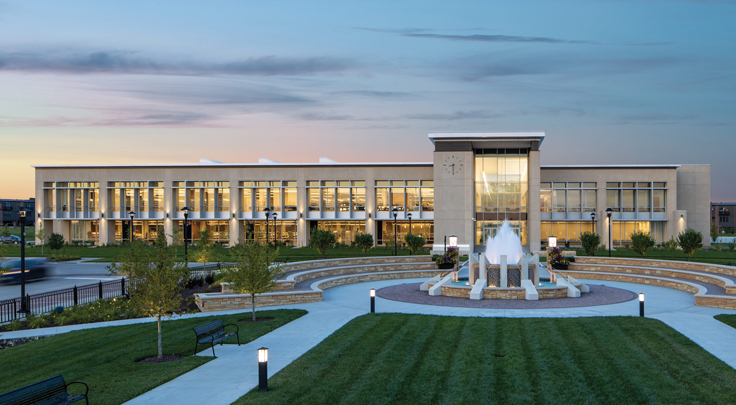
Advances in technology and creative use allow libraries to define spaces, add color, and control noise without any walls.
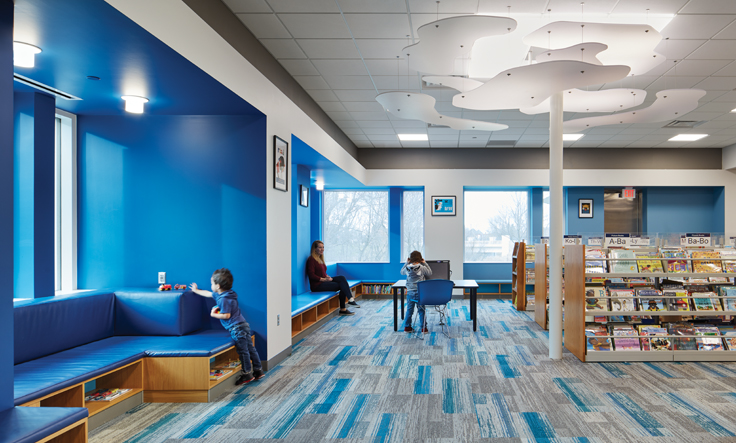
Reading nooks, custom millwork, and generous use of graphic design pull together aesthetic across library interiors.
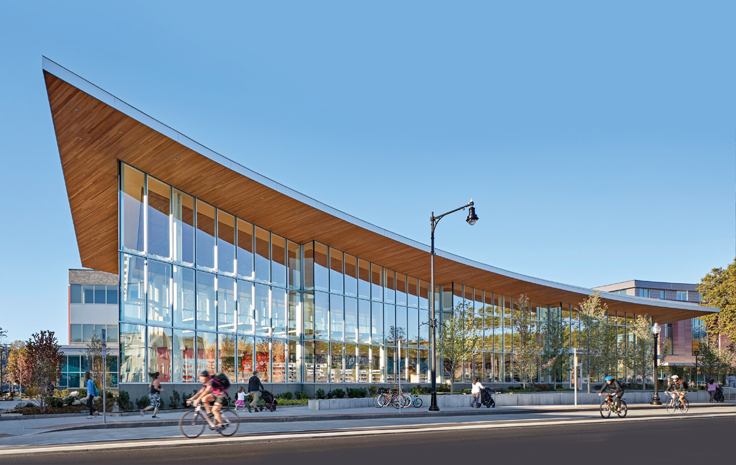
Enclosed glass spaces allow insight into what’s going on at the library as well as offering a visual connection to the surrounding community, while moveable walls that literally open onto the outside go a step further.
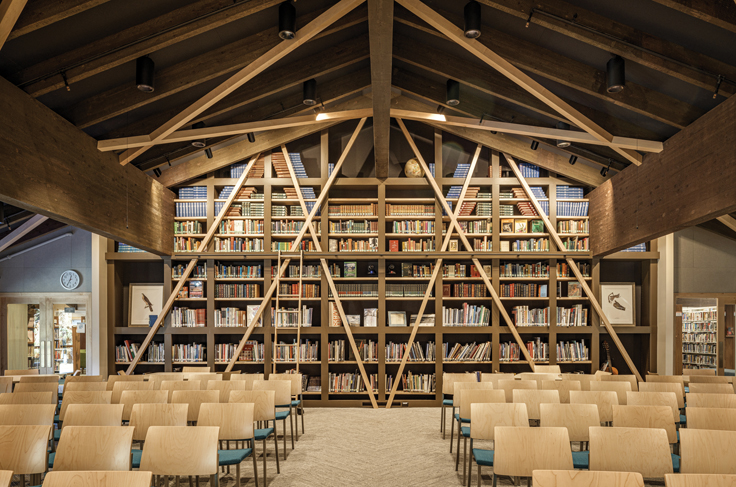
Features inspired by residential designs continue to offer comfort and informal areas to relax and connect.
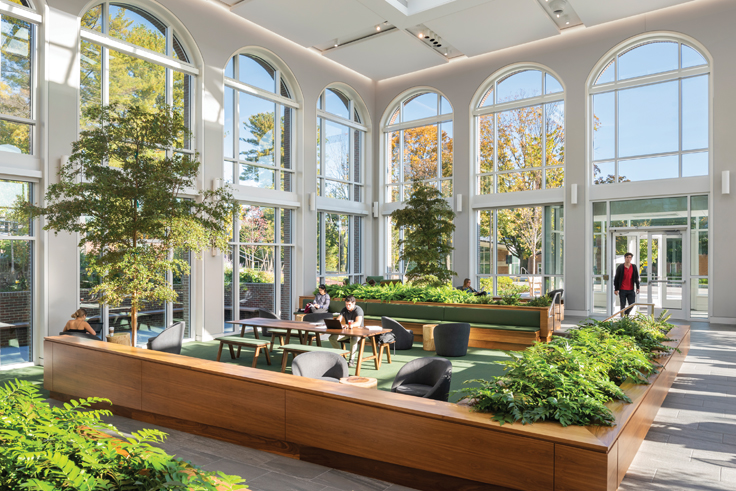
Cues from the natural landscape come inside, seating and programming go out, as libraries continue to connect indoors and out.
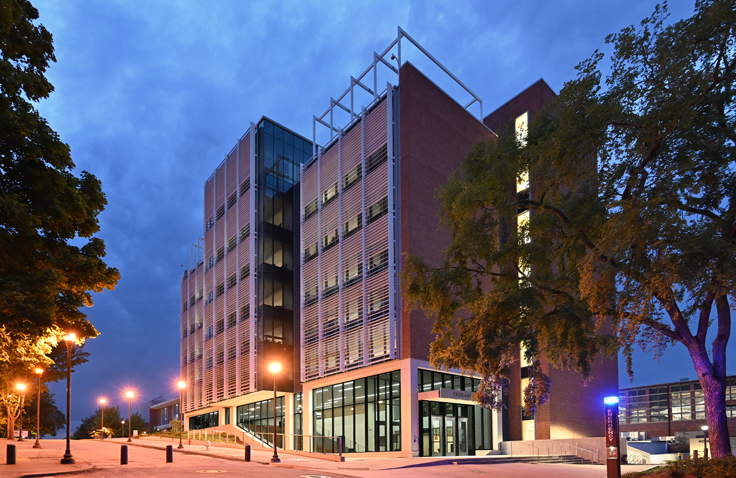
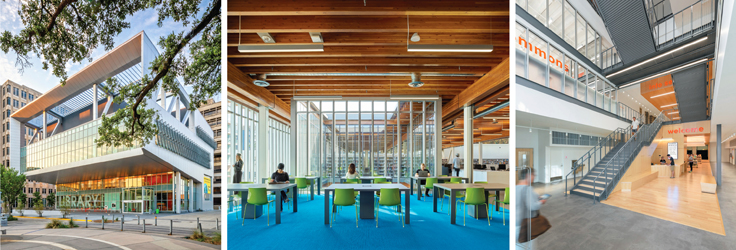
Despite the delays and complications of the pandemic, many libraries persevered to debut new and renovated buildings this year. Playful, dynamic lighting, relaxed and inviting outdoor spaces, light-filled and visible interiors with embedded technology, and smart, sustainable infrastructure are this year’s top trends.
From open outdoor areas to fantastic and functional fixtures, sustainable systems to to study spaces, LJ's 2020 Year in Architecture roundup celebrates the best new construction and renovation in public and academic libraries across the country.


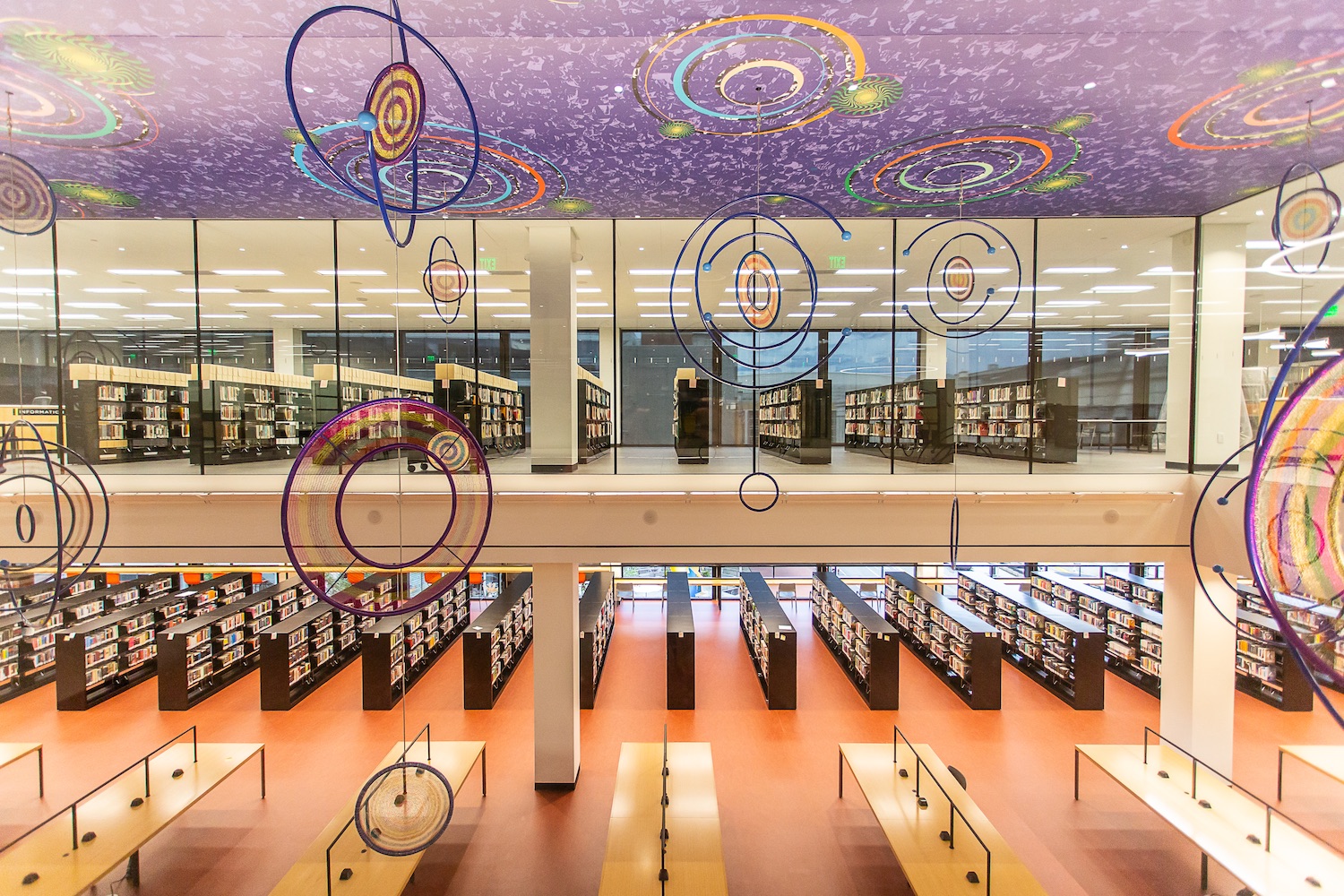
Work has wrapped up at DC, Boston, and Brooklyn Public Library branches; construction proceeds on schedule at Spokane and Mid-Continent Public Libraries, and the Theodore Roosevelt Presidential Library has chosen Snøhetta as its design firm.
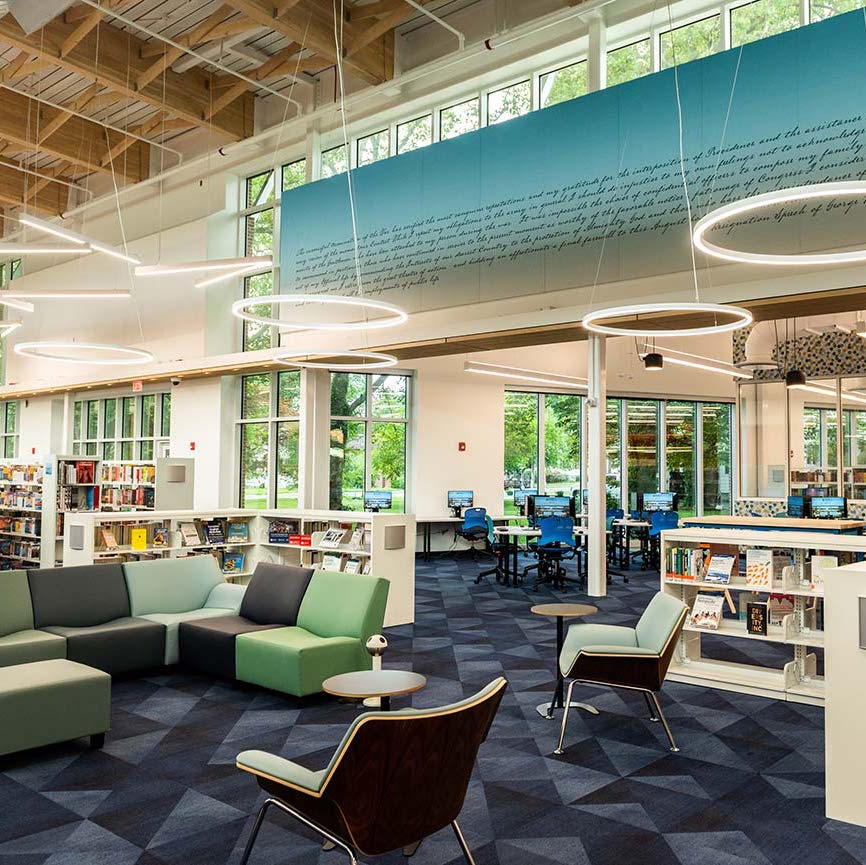
New Libraries open at Anne Arundel County, Edmonton, and East Baton Rouge Parish; work is almost finished at the Joseph Anderson Cook Library on the University of Southern Mississippi’s (USM) Hattiesburg campus; Bayport is transforming a convent into a "world-class" library; and Michael Bloomberg has given a large gift to help build a new Medford PL.
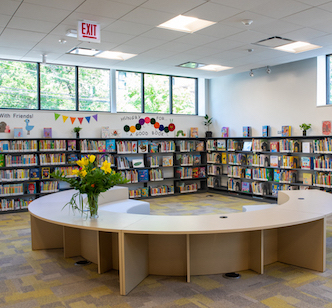
Chicago Public Library's Merlo Branch and Indianapolis PL's Martindale-Brightwood Branch have opened to the public, while work is proceeding—after some delays—on St. Louis County PL's Eureka Hills Branch, the new North Branch of Clinton-Macomb PL, and Carroll County PL's Exploration Commons.
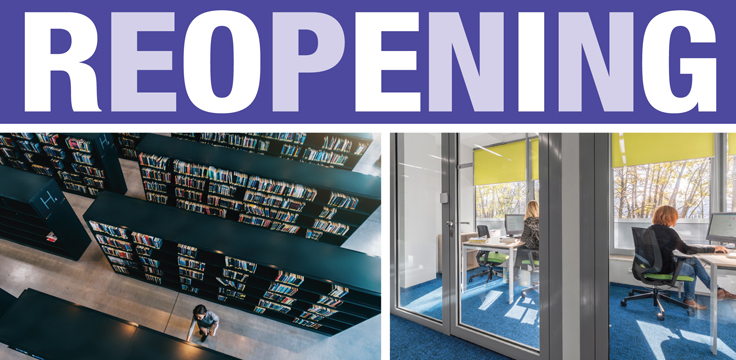
In addition to enhanced cleaning protocols, training, and the public use of personal protective equipment like face coverings, the impacts of coronavirus are transforming how we design public spaces in the short and long term.

Some libraries are already attempting to reopen their physical locations to the public, at least to some limited extent. Others, in harder hit areas or with local governments more focused on stopping the spread of Coronavirus, are still months away. But all are considering how to reconfigure their space, as well as their service, to best shield staff and patron health.
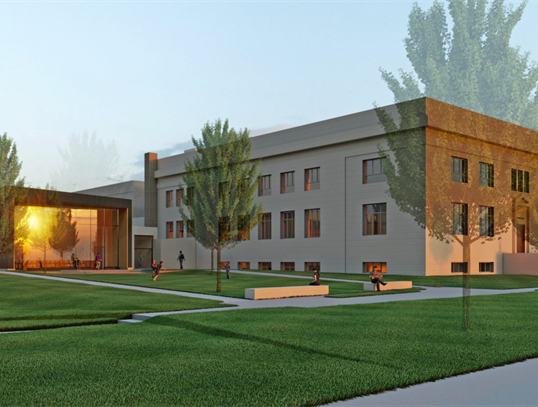
Construction work is scheduled for the Public Library of Youngstown and Mahoning County, OH, and Saugatuck-Douglas District Library, MI; Paramus Public Library has applied for NJ Construction Bond funding; and yes, there's a podcast for everything—now, a new library construction podcast from the Massachusetts Public Library Construction Program.
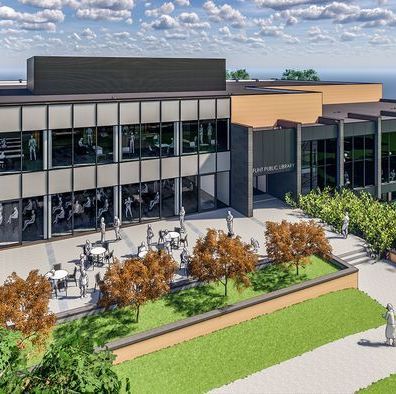
COVID-19 causes construction delays for Flint Public Library, MI, and Carroll Public Library, IA; Saskatoon PL purchases property for new Central Library; Eden Prairie Branch of Hennepin County Library, MN, and Felton Branch of Santa Cruz Public Library, CA, see grand reopenings before library closures.
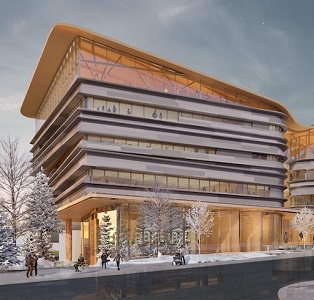
The design for Ontario’s Ottawa Public Library and Library and Archives Canada is unveiled, Babson College’s Horn Library gets a new Commons, St. Charles Public Library District will join three sections of the library, and the unBound Library Branch of Meridian Library District, ID, is scheduled to reopen in a new location this fall.
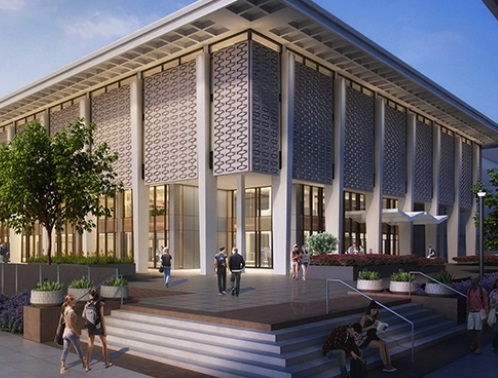
Arizona State University's Hayden Library reopens, MIT's Hayden Library plans a renovation, Deschutes PL acquires new land, and the Public Library of Cincinnati and Hamilton County launches a multiyear system-wide improvement project.
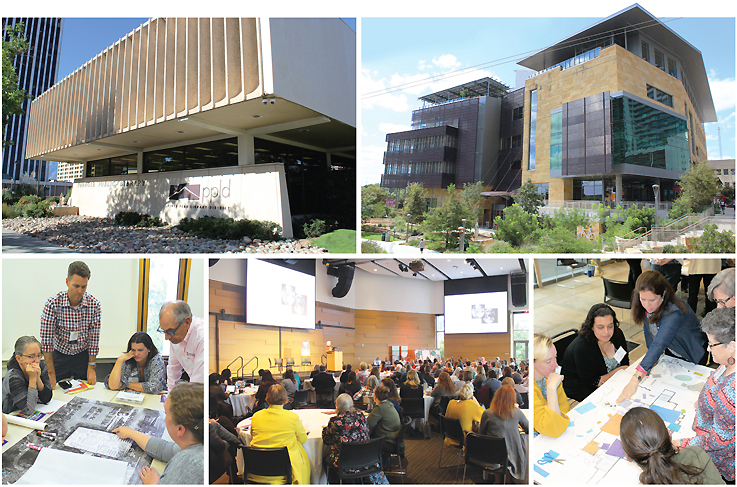
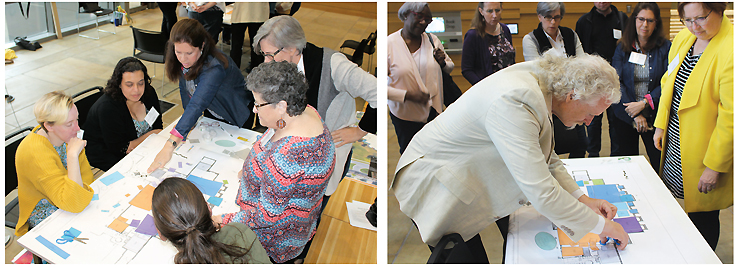
When creating sustainable library designs, planners start by looking at elements that can be reused. Much inspired and practical design has emerged by repurposing and building on or around what already exists: structures, materials, public spaces, personnel—and, as two recent Library Journal Design Institutes in Colorado Springs and Austin demonstrated—community.
At LJ’s 2019 Design Institutes in Colorado Springs, CO, held at the Pikes Peak Library District (PPLD) on September 13, four public libraries in California, Idaho, Texas, and Arizona enlisted architects and attendees to brainstorm on upcoming library design challenges.
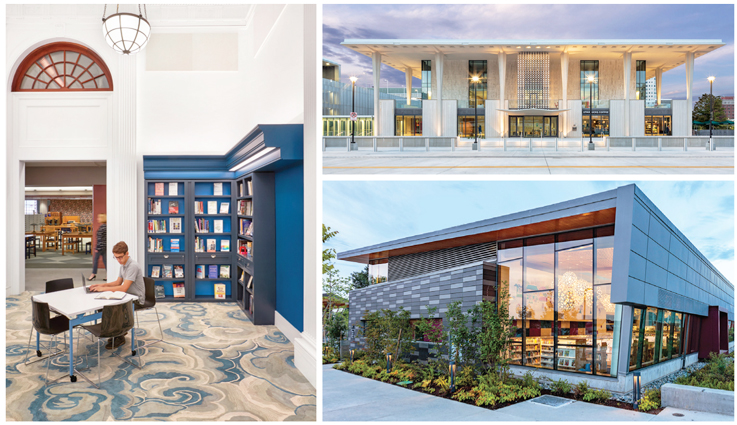
The 2019 New Landmark Libraries celebrates six paradigm-shifting public libraries designed around their communities' changing needs.
ALREADY A SUBSCRIBER? LOG IN
We are currently offering this content for free. Sign up now to activate your personal profile, where you can save articles for future viewing
ALREADY A SUBSCRIBER? LOG IN
Thank you for visiting.
We’ve noticed you are using a private browser. To continue, please log in or create an account.
