Related

At an atypical and uncertain moment in the budget cycle, libraries are looking beyond traditional revenue streams and funding partners.

Three letters sent by Tennessee Secretary of State Tre Hargett to the Stones River Regional Library System have set off a series of chain reactions, including library closures and a contentious Rutherford County Library System Board meeting that pitted the word of the library director against the board chair.

The Arkansas State Library exists to administer state and federal funds for libraries and library development and to enhance access to libraries and information resources across the state. It disperses useful funding throughout the state’s libraries, large and small, and supports literacy and reading programs, as well as facilitating the state’s resource-sharing platform and administering the Library for the Blind and Print Disabled.

Over the past two years, Samuels Public Library, in Front Royal, VA, has been hit by a concerted book banning campaign that turned former county partners against the library. In March, the Warren County Board of Supervisors voted not to renew the Memorandum of Agreement with the library that would guarantee county funding through the end of the library’s fiscal year, on June 30. Without this critical funding stream—slightly over $1 million, a small percentage of the county’s budget but the majority of the library’s—the future of Samuels Library is now in jeopardy.

This spring Penguin Random House (PRH) and United for Libraries—the American Library Association (ALA) division that supports library trustees and boards, Friends, foundations, and advocates—teamed up on a new program to assist small and rural libraries across the country. A total of $25,000 was earmarked for grants of $1,000 and $500, to be awarded to Friends or nonprofit groups that support and fundraise for libraries in their communities. In addition, for libraries that were interested in applying but did not feel they had enough grant-writing experience, United offered free virtual informational sessions.

Executive leadership development is imperative for the future of any organization, and this was especially pertinent to Columbus Metropolitan Library as my retirement announcement grew closer. I decided to strategically tap the expertise of our library board of trustees because of their external organizational perspectives on talent management.

Becoming a library trustee wasn’t on Becky Keane’s radar until a neighbor gave her an earful about the shortcomings of her local board. Intrigued, Keane sought—and secured—appointment to the library board in fall 2019.

Library development deserves to be on par with university and hospital fundraising. Yet many libraries find this work difficult, and few resources exist in the sector to support the professional development needed to be successful. But this is starting to change thanks to the Library Support Network.
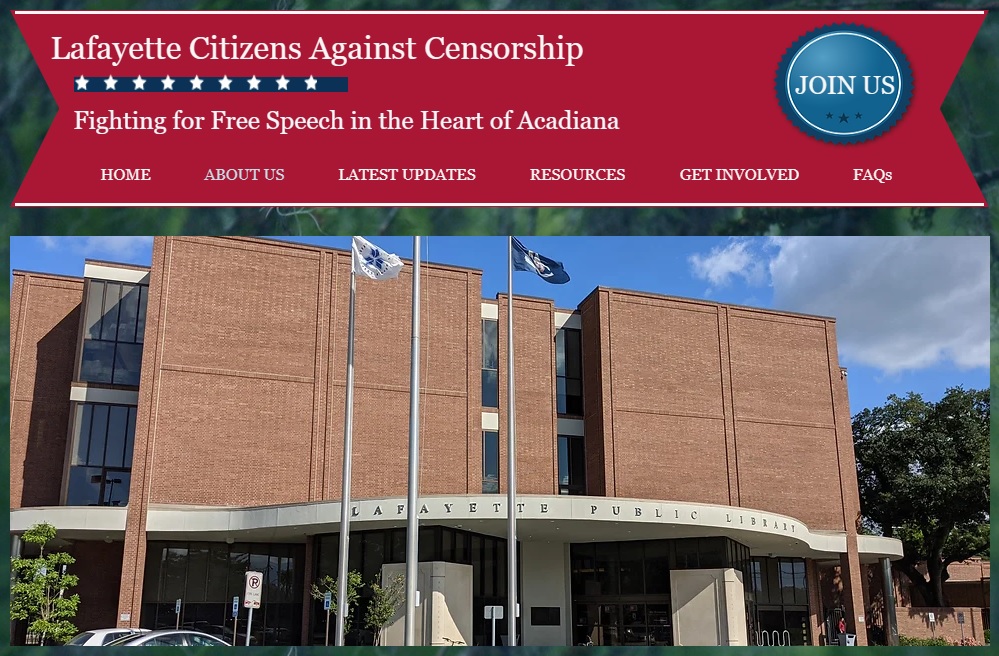
Two community members are suing Louisiana’s Lafayette Consolidated Government, the municipal body that oversees the Lafayette Public Library (LPL), for denying the right to free speech in public board meetings. Lynette Mejía and Melanie Brevis, community members and patrons of LPL, are co-plaintiffs in the suit, which also names Board of Control President Robert Judge. According to local newspaper The Acadiana Advocate, the lawsuit alleges the violation of Mejía’s and Brevis’s First Amendment rights to free speech as well as their 14th Amendment rights, along with violations of the Louisiana Open Meetings Law.
The results from LJ’s Fall 2021 Public Library Fundraising Survey demonstrate how the COVID-19 pandemic changed the ways libraries conducted their fundraising. Like so much else in the library field, the pandemic forced library staff, administrators, and Friends groups to reconsider the best ways both to raise funds and utilize them.


While exact demographics are hard to come by, the informal consensus seems to be that members of most public libraries’ board of trustees or directors are largely white, well-off, and older. Meanwhile, the communities they represent are often far more diverse.

It’s important for a library board to strike a balance when it comes to supporting the library’s director. While no director wishes to be micromanaged, they certainly want to be supported. When a director is challenged with personnel issues, they would ideally call upon human resources (HR) for practical solutions. But what about directors who oversee a library that isn’t large enough to justify such a position? In these cases, and even in some libraries with HR leadership, the director turns to a personnel committee for guidance, collaboration, and support.

Many libraries are cancelling their galas and other in-person fundraising events due to the global pandemic. As a member of the Next Chapter Society (NCS), which works with Tennessee’s Nashville Public Library Foundation to fundraise for the Nashville Public Library (NPL), I worked with my committee to shift our summer activities online.

Debates over what libraries should fund can get heated, but don't let that stop you from having them. All stakeholders need to not only prepare but discuss the budget, and to understand what new services will meet user demand. Good negotiators need to know when to stick to their guns, even if it means risking an argument. Good leaders also know when to concede and join with the team to ensure progress. Collegiality, civility, and good working relationships are important, but we can’t let the desire to get along prevent us from fully tackling the tough questions

Library trustees are charged with evaluating the director’s performance—and, often, securing a director when the position opens up. Trustees need to act efficiently, in these moments of pending vacancy, to secure leadership for their library. There are many considerations that arise when a director submits that dreaded resignation letter. Here are a few.

Margaret “Peggy” Barber, who helped change the way libraries promote their services, died on August 25 at age 75. Among other accomplishments, Barber established the American Library Association Public Information Office, Public Programs Office, and Graphics program, which produced the acclaimed "Celebrity Read" poster series and the universal library logo, used as street signage nationwide. She received the Lippincott Award for distinguished service to the profession in 1999.

The newly created Fund for the Boston Public Library has raised a total of $6.1 million to date in only a few weeks, since Boston Mayor Marty Walsh announced its creation on May 29. Library Director David Leonard hopes that the Fund may raise as much as $10 million annually, in addition to the BPL’s annual budget of approximately $49 million.
ALREADY A SUBSCRIBER? LOG IN
We are currently offering this content for free. Sign up now to activate your personal profile, where you can save articles for future viewing
ALREADY A SUBSCRIBER? LOG IN
Thank you for visiting.
We’ve noticed you are using a private browser. To continue, please log in or create an account.
