You have exceeded your limit for simultaneous device logins.
Your current subscription allows you to be actively logged in on up to three (3) devices simultaneously. Click on continue below to log out of other sessions and log in on this device.
As readers always interested in finding and sharing titles, the book review editors launched a sure-bet survey last summer in advance of LJ’s yearlong celebration of our 150th anniversary. This month, we feature poetry. This form of expression provides readers with an experience of language, construction, meaning, and moment, vastly larger than the sum of its parts, which themselves are refined and closely considered. Poetry’s appeal is in the space where line, thought, and word combine into a reading experience that offers a revelation beyond what the text appears to hold.
Swensen’s insightfully idiosyncratic prose lyrics connect readers to their surroundings in new and surprising ways, reintroducing things and investing them with a prescient awareness and intelligence.
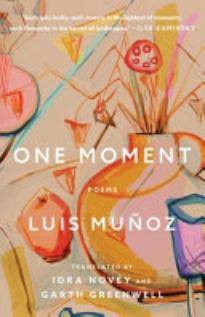
While some readers may find these poems to be opaque in their hallucinatory bravura, multiple readings work to their advantage. Adventurous audiences will readily welcome Muñoz’s expansive receptivity to the “light that only words can ignite.”
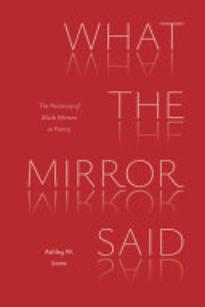
Readers open to gaining new perspectives and languishing in artful language will appreciate Jones’s (Lullaby for the Grieving) enlightening tribute to the works of legendary Black women poets.
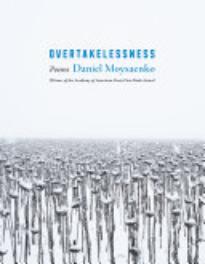
Like the poets Ilya Kaminsky and Mosab Abu Toha, Moysaenko writes of current realities with an urgency and candor that demand attention and overcome the temptation to tune out suffering that occurs far from readers’ shores.
An impressive collection that balances abstraction with depth, surrealism with raw feeling. Recommended for all poetry collections, particularly those supporting contemporary or experimental voices.
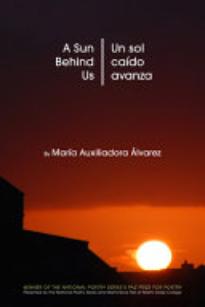
A powerful addition to collections of Latin American poetry in translation, Álvarez’s work will resonate with readers of multilingual literature, introspective verse, and voices of exile, solitude, and strength.
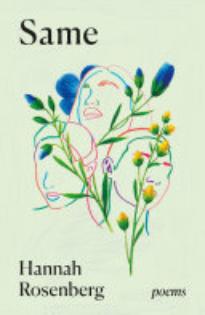
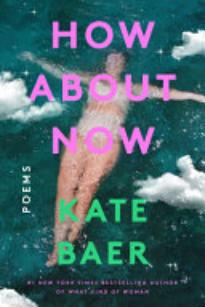
This beautiful and affecting debut is highly recommended for public libraries and poetry collections, especially those serving readers drawn to feminist themes, contemporary voices, and accessible poetic forms. A sound choice for fans of Cleo Wade and Kate Baer.
To find glimmers of hope here would be a denial, a betrayal, of Vilariño’s very identity, and while her insistently bleak aesthetic will seem depressive to some readers (“what nerve / to stay alive / to stay”), her poems are in fact passionate, with the subtle, stubborn beauty of honed granite.
Though some readers will lament the absence of experimental or non-mainstream voices (e.g., Allen Ginsberg, John Ashbery, or Rae Armantrout), which reflects The Atlantic’s relatively conservative aesthetic, Hunter largely delivers on his promise to offer poems written in “vivid, memorable language.”
A soulful, visually engaging collection that will appeal to fans of modern, accessible poetry and readers seeking inspiration or solace. Recommended for all contemporary poetry shelves.
Olds’s many fans will rejoice to see this once-inflammatory little paperback dressed up in a handsome hardcover, lovingly introduced by fellow Pulitzer Prize winner Diane Seuss.
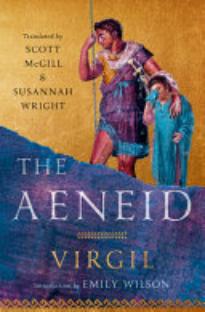
Purists might balk, and the occasional idiom doesn’t quite land, but this is an excellent means of persuading readers to tackle an otherwise intimidating masterpiece.
This edition is an excellent choice for first-time readers and those returning with fresh eyes. It’s a compelling and thoughtful rendering of a timeless epic.
This collection offers a theoretical, historical, and cultural framework for African poetry and poetics that could be read as a stand-alone text or used as an entry point into any (or all) of the poets described.
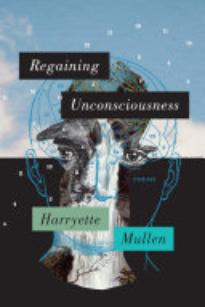
A powerful and nuanced collection from a seasoned poet. Mullen’s ability to blend innovation with emotional depth will resonate with readers of contemporary poetry and academic collections. Recommended for libraries looking to expand their offerings of socially conscious and formally inventive poetry.
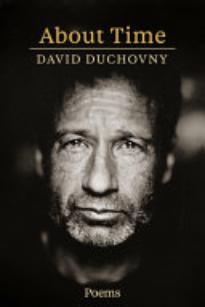
Duchovny approaches poetry as a uselessness that demands to be used, an unneeded form that he needs, and his poems clearly communicate the desire to make words of what is unspeakable by anchoring them to unconventionally and beautifully wrought poetic conventions.
A fitting and electrifying final offering from one of the most vital American voices. Essential for all poetry collections, especially to augment sections on Black literature, civil rights, and autobiographical verse.
Roveto’s writing, while a bit convoluted at times, is full of imagery and emotion, making it a good choice for poetry enthusiasts and those looking to experience a unique journey through poetry.
With English translation by Farris and Kaminsky, Panasiuk’s unforgettable poems are now accessible to more readers. The subject matter is timely and essential; these personal, literary pieces will haunt attentive readers.
A surprising but organic extension of Betts’s career-long preoccupations, offering an amiable entry point for new readers while retaining all of the conviction and mastery of language that makes each new collection a must-read.
Meditative and concerned with existential questions raised by close, ephemeral observation, this collection will appeal to a broad cross-section of poetry readers.
Over hundreds of poems, this expansive collection is a testament to Atwood’s lasting literary influence. Narrated with her signature blend of fierceness and contemplation, the audio is a timeless and essential addition to any poetry collection.
Assured and succinct, Driskell articulates a personal philosophy of life that, while tending toward pessimism, might still envision “the thought that everything / will be okay wrestling down / the thought that it won’t.”
The print version of this exploration of poetry and imagery won the PEN/Voelcker Award for Poetry and an NAACP Image Award. This audio is equally impactful and is a must for any poetry or photography collection.
Dimitrov’s collection is fast paced, in-the-moment, and reflective. It is sure to make connections with readers, both those who are familiar with his writing and those who are newly discovering it.
While Wheeler’s technical skill and inventiveness, particularly her ability to write what seem like two poems at once, are salient, they never upstage the urgency inherent in her subject matter: the complex interplay between the raw, lived experiences of ordinary life and the uncertain, unknowable forces--he mycelium--that generate those experiences.
Poised at the threshold of surprise, Aaron’s poems relax into a kind of domestic surrealism that’s both insightful and humorous, yet immediately recognizable, “asking / questions no one can answer / but asking anyway.”
This collection demands attention and introspection by offering a raw yet eloquent portrayal of the intersections of history, identity, and systemic oppression. It’s an essential read for people seeking to honor the complexity of the experiences of Black Americans.
Lamantia helped spark a revolution in American letters, only to be eclipsed by those he influenced. Although his weighty posthumous Collected Poems, published in 2013, is definitive, this landmark selection offers a potent dosage, easily pocketed by anyone headed “out into the world to watch the cataclysm begin.”
A powerful book (winner of Britain’s Writers’ Prize for Poetry in 2023, as well as the Writers’ Prize for overall Book of the Year) that will linger with readers long after the last word.
Well thought-out, the selections in this anthology beautifully introduce readers to this special college and to poets deserving of high praise and appreciation.
The poet ably captures and illuminates the most significant moments of the complex, often tragic, past that have shaped the present. As this book moves from ancient to modern times, poetic richness gives way to the more conventional narrative, reflecting the loss of wonder and mystery inherent in the saga itself.
These volumes’ lyric and reflective lines cry out against oppression, war, and annihilation and praise the complexity and absurdity of human existence.
This anthology delivers a profound exploration of history, literature, and emotions, but it requires some understanding of India’s many cultures to fully appreciate its depth. Still, it’s a rewarding read for those willing to engage with its complexities and dive into the worlds it explores.
This poetry collection about self-discovery offers readers a sense of camaraderie in its down-to-earth humor and keen emotional insights. This lyrical blend will resonate deeply with readers. It’s a collection that’s both memorable and refreshingly real.
The subject matter in this deeply moving, important collection is a heartbreaking reminder of the innocent lives that are constantly affected by violence and terrorism. Sadiq expertly illustrates these experiences, from the regret to the nightmares and the scars.
Accessible distillations of heart and mind; readers don’t have to know Arendt’s philosophy (or philosophy generally) to read this work profitably and with pleasure.
The collection successfully bridges the ancient and the modern, creating a powerful dialogue that speaks to the enduring human need for unity and understanding.
An emotionally devastating and formally dynamic collection, cementing that George is one of the most underrated working poets after only two collections.
Heartfelt and affecting, Notley’s poetry leaps from the page and straight into the imagination. Essential listening for fans of Notley’s work. Those unfamiliar with her poetry will want to dive into her earlier collections.
A sincere and moving narration. Sullivan’s raw, enigmatic debut will easily win listeners over and will be a collection to revisit again and again. A marvel.
Borzutzky remains one of contemporary poetry’s most incisive surveyors of cultural and institutional rot, but a slightly scattershot style leaves his latest collection feeling occasionally disjunctive.
While a few of the poems here can feel too reductive, this is classic Armantrout in the nature of its language and the depth of its thought. Poetry fans will want.
Energized observations for both younger readers, who will gleefully pull apart the inferences, and those who, like Toro, number “among the last generation to remember a time before the hive plugged in.”
These smart, readable poems are deceptively simple, with their implications emerging slowly as readers ponder along with the poet. A collection to dwell in; Fisher merits watching.
Memory and presence rub together beautifully in a rich patchwork quilt that sometimes doesn’t feel completely stitched together but whose immediacy is rewarding. A conversation starter from an important poet.
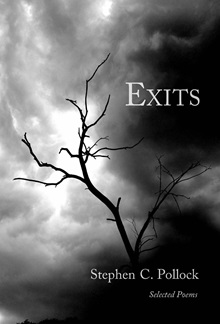
The poems in Exits explore the beauty and frailty of life, the cycles of nature, and the potential for renewal. In a time of great uncertainty, Exits responds to prevailing anxieties and to the universal search for meaning. At its core, Exits is a meditation on mortality.
From fox to car to misty morning, silver glints throughout this polished collection, woven in like meaningfulness in life. A strong entry, appealing for most readers.



























![[ominous music intensifying]](https://s3.amazonaws.com/ArchiveImages/LegacyReviews/LJ/9780892556069.jpg)