Jennifer A. Dixon
40 Articles

From:
To:

One Year After the Executive Order
On March 14, 2025, President Donald Trump issued an executive order (EO) with immediate consequences for the nation’s libraries. EO 14238, “Continuing the Reduction of the Federal Bureaucracy,” called for the elimination of seven government agencies—notably, the Institute of Museum and Library Services, the federal agency dedicated to funding library services. With it, the administration moved to dismiss dozens of agency workers and to cut off at the knees one of the most trusted of American institutions. Librarians and their communities received this news with no clear answer about what would come next, leading to a period of uncertainty and, ultimately, resilience.

SLA Announces Decision To Dissolve
On March 26, the Special Libraries Association (SLA) announced its dissolution, following a unanimous vote by 2025 SLA Board members. The SLA Board is currently developing a plan for the dissolution process, which they anticipate should be complete by April 2026.
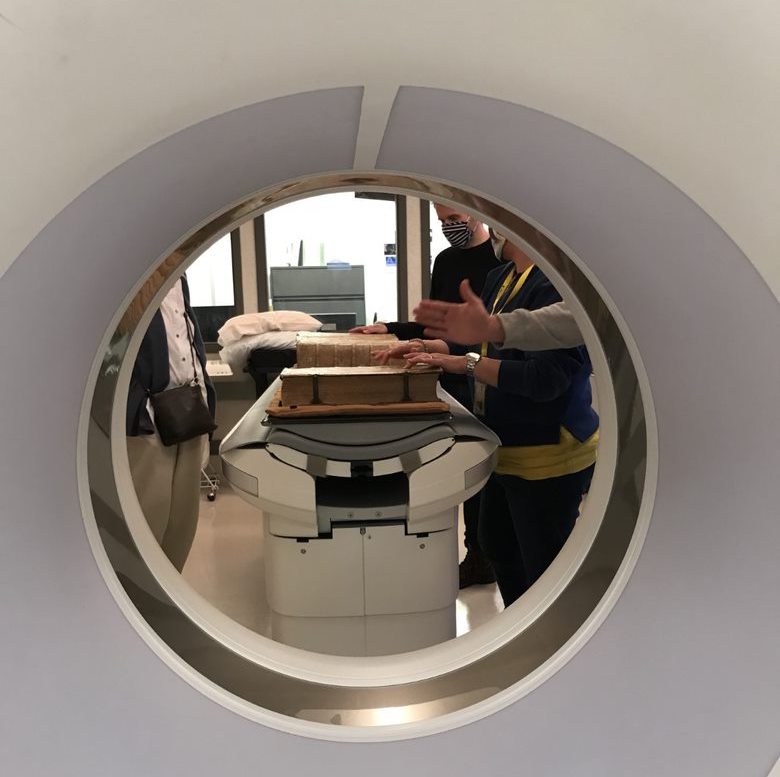
University of Iowa Librarians Use Medical Imaging Technology To Reveal Hidden Book Fragments
Often, medieval book bindings—as many as one in five from the 15th and 16th centuries—are reinforced with fragments of pages from older printed volumes that bookbinders considered obsolete. Without the option of dismantling precious books to reveal the fragments, specialists turn to x-ray technology to reveal words that have been hidden from view for hundreds of years. A team at the University of Iowa recently used familiar medical technology—a computerized tomography (CT) scanner—to do just that.
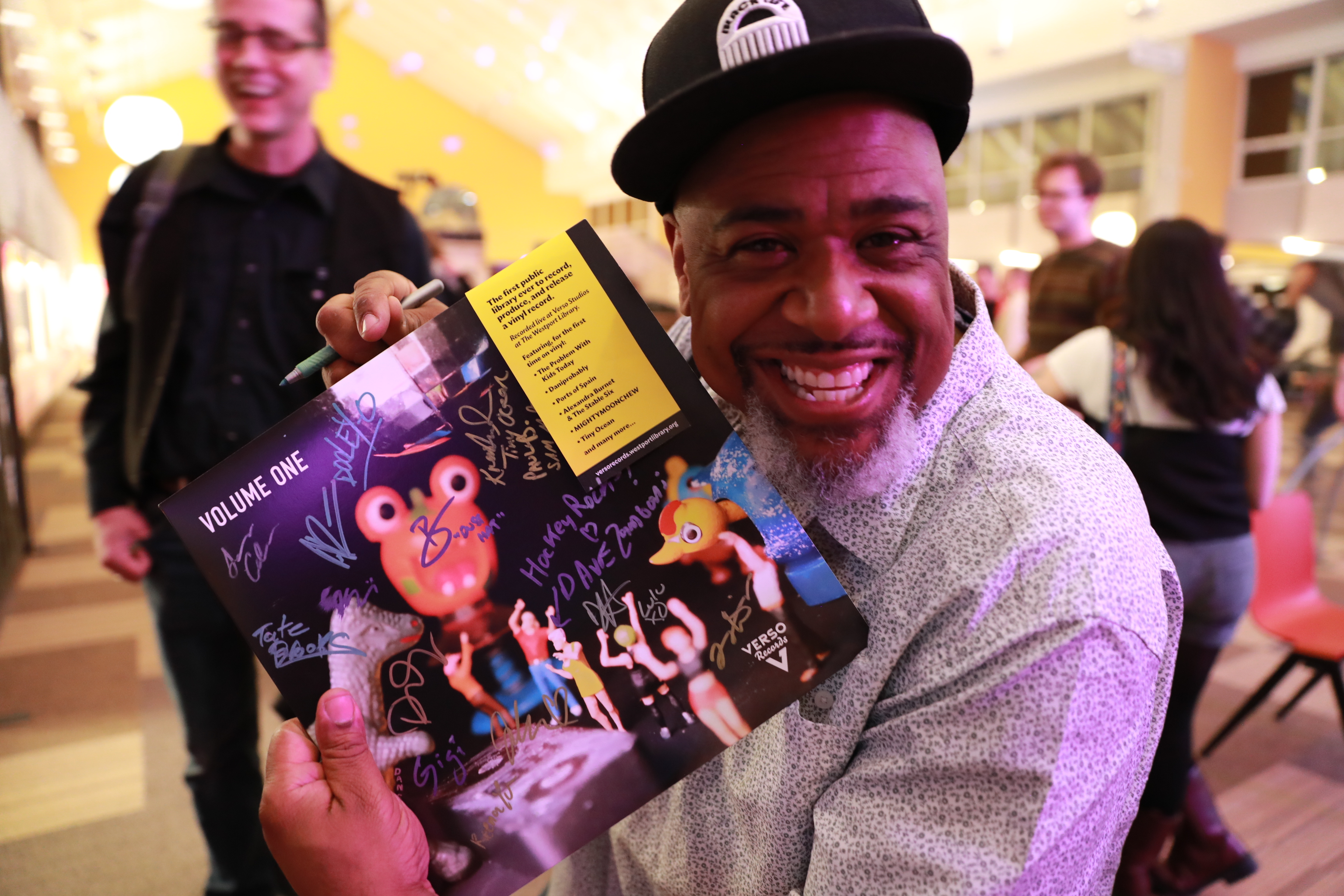
Stacks Records: Westport PL Creates, Records, Releases First Library-Produced Vinyl Album
The Westport Public Library (WPL), CT, recently released Verso Records: Volume One, a 12-song vinyl album—hailed as the first vinyl record entirely recorded, produced, and released by a public library—recorded and produced within the library’s walls. An entirely nonprofit project, all proceeds from sales of the album (available on vinyl or digitally) go to Verso Studios, a state-of-the-art media production hub and venue housed in the library, and to WPL.
After the MLIS
For librarians looking to change career course, post-MLIS certificates can help them learn a new specialization or catch up on technologies.
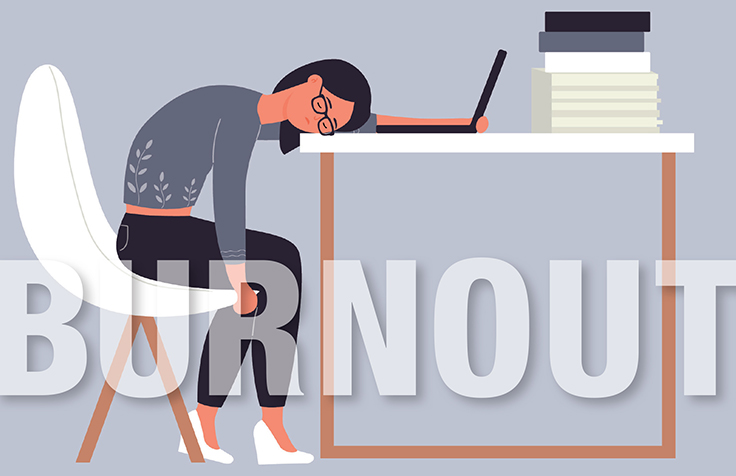
Feeling the Burnout
Library workers are facing burnout in greater numbers and severity—and grappling with it as a systemic problem.
In the Classroom, In Life: Academic Librarians Combat Misinformation On Campus and Off
Academic librarians have the tools to help students fight misinformation both in their studies and in their daily lives.
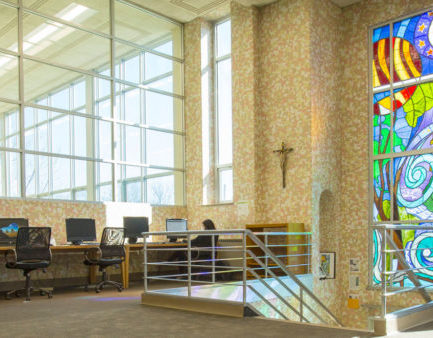
In Second Pandemic Wave, College Libraries Again Adjust to Shutdowns
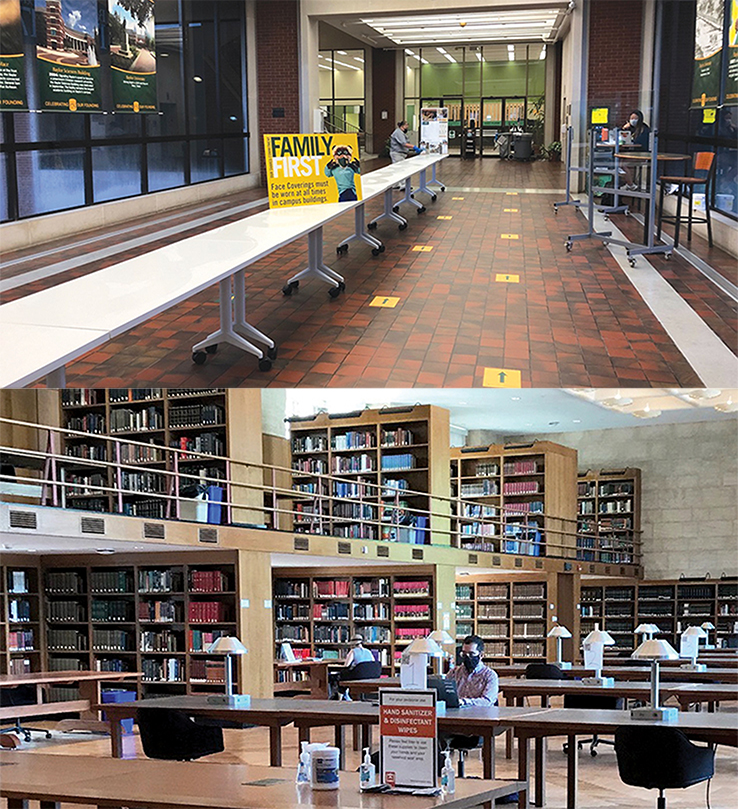
Despite precautionary measures against the coronavirus, such as regular testing and social distancing rules, as a second pandemic wave picks up across the country some schools are opting for an early shut-down of in-person learning. With classes pivoting to all online and residential students being sent home ahead of their Thanksgiving break—or being instructed not to return to campus afterward—academic libraries are once again adjusting to support their communities’ needs.
Equipping First-Year Students for Remote Success
As colleges and universities pivot to remote and hybrid models, their libraries must find new ways to welcome and orient new students.
ALREADY A SUBSCRIBER? LOG IN
We are currently offering this content for free. Sign up now to activate your personal profile, where you can save articles for future viewing
ALREADY A SUBSCRIBER? LOG IN
Thank you for visiting.
We’ve noticed you are using a private browser. To continue, please log in or create an account.
